Geschichten


Alpha-GPC and Your Brain: What 600mg of Choline Can Actually Do for Focus and Memory
Your brain burns through choline faster than you replace it — and most people have no idea they are running on empty. Choline is one of those nutrients that rarely makes headlines, yet it sits at the center of nearly every cognitive process you care about: memory formation, sustained focus, mental clarity, and even the speed at which your neurons fire. The problem? An estimated 90% of people in Western countries do not meet adequate choline intake levels, according to data published in the Journal of the American College of Nutrition. And unlike vitamin D or magnesium deficiency, choline insufficiency does not announce itself with obvious symptoms. It just quietly degrades your cognitive performance, week after week, year after year. Alpha-GPC (alpha-glycerylphosphorylcholine) has emerged as one of the most bioavailable forms of choline supplementation available. Unlike choline bitartrate or lecithin, Alpha-GPC crosses the blood-brain barrier efficiently and directly supports acetylcholine synthesis — the neurotransmitter responsible for learning, memory consolidation, and attention. Here is what the research actually shows, and how to use it intelligently. The Choline Crisis: Why Your Brain Is Probably Underfueled The adequate intake (AI) for choline is 550mg per day for men and 425mg for women, as established by the Institute of Medicine. Most adults consume between 250 and 350mg daily. That gap matters more than you might think. Choline serves as the precursor to acetylcholine, the neurotransmitter that governs attention, memory encoding, and the communication speed between neurons. When choline availability drops, acetylcholine production slows. The result is not dramatic — it is insidious. You might notice you cannot hold a thought as clearly during a meeting. A name you knew yesterday slips away. Reading comprehension dips slightly. These are not signs of aging. They are signs of inadequate substrate for your most important neurotransmitter. Key dietary sources of choline include eggs (particularly the yolk, with roughly 147mg per large egg), liver, and cruciferous vegetables. But even with a well-designed diet, reaching optimal levels consistently proves difficult for most people — which is where targeted supplementation becomes relevant. Why Alpha-GPC Outperforms Other Choline Sources Not all choline supplements are created equal, and the differences matter at the biochemical level. Choline bitartrate, the cheapest and most common form, has poor blood-brain barrier penetration. Research published in Clinical Therapeutics suggests it primarily supports peripheral choline needs (liver function, homocysteine metabolism) without meaningfully increasing brain acetylcholine levels. CDP-choline (citicoline) is a solid option, but it follows a different metabolic pathway — it is converted to choline and cytidine in the gut before being reassembled in the brain. This adds metabolic steps and reduces efficiency. Alpha-GPC is approximately 40% choline by weight and crosses the blood-brain barrier directly. A study in the Journal of the International Society of Sports Nutrition demonstrated that 600mg of Alpha-GPC significantly increased growth hormone output and peak force production compared to placebo. More importantly for cognitive purposes, research in Clinical Therapeutics found that Alpha-GPC supplementation supported memory and attention in subjects experiencing cognitive decline. The NOTFORTOMORROW Alpha-GPC 600mg capsules deliver a clinically relevant dose in a single capsule — no need to stack multiple pills to reach an effective threshold. Acetylcholine: The Neurotransmitter Behind Everything You Call Sharp Understanding why Alpha-GPC works requires understanding acetylcholine's role in your brain. This neurotransmitter does several things simultaneously: Memory encoding and retrieval. Acetylcholine is essential for the hippocampus to convert short-term experiences into long-term memories. Research in Neuroscience and Biobehavioral Reviews has shown that cholinergic signaling directly modulates the strength of memory consolidation during sleep. Sustained attention. The basal forebrain cholinergic system projects to the prefrontal cortex and is the primary driver of what neuroscientists call top-down attention — your ability to stay focused on a chosen task while filtering out distractions. When acetylcholine levels are adequate, sustained focus feels effortless. When they drop, you reach for your phone every three minutes. Neuroplasticity. Acetylcholine acts as a gatekeeper for cortical plasticity, the brain's ability to rewire and learn new skills. Research suggests that cholinergic tone determines how effectively your brain can adapt to new information and form new neural pathways. Neuromuscular function. Beyond cognition, acetylcholine is the primary neurotransmitter at the neuromuscular junction. This is why Alpha-GPC has gained traction in sports performance research — it does not just sharpen your mind, it may improve the brain-muscle connection. What the Clinical Research Actually Shows The evidence for Alpha-GPC spans both cognitive and physical performance domains: Cognitive decline support. A multicenter trial published in Clinical Therapeutics involving 2,044 patients found that Alpha-GPC supplementation (1,200mg/day) produced statistically significant improvements in cognitive function scores over a 180-day period. Memory, attention, and executive function all improved compared to baseline. Growth hormone and power output. A study in the Journal of the International Society of Sports Nutrition found that 600mg of Alpha-GPC taken 90 minutes before exercise increased peak bench press force by 14% compared to placebo. Growth hormone secretion also increased significantly, suggesting Alpha-GPC may support both cognitive and physical performance through overlapping cholinergic pathways. Reaction time. Research presented at the International Society of Sports Nutrition conference demonstrated that Alpha-GPC supplementation improved reaction time in young adults, a measure that directly correlates with cholinergic efficiency in the brain. The practical takeaway: At 600mg per day, Alpha-GPC provides a meaningful cognitive and performance benefit. This is supported by multiple human trials, not just rodent studies or theoretical mechanisms. Building a Complete Cognitive Stack Alpha-GPC works best when your broader nutritional foundation supports brain function. Several nutrients operate synergistically with choline: B vitamins are essential cofactors in choline metabolism. Folate (B9) and B12 work alongside choline in one-carbon metabolism, the biochemical pathway that produces methyl groups needed for neurotransmitter synthesis and DNA maintenance. Without adequate B vitamins, even optimal choline intake cannot fully translate into acetylcholine production. The NOTFORTOMORROW Bioactive Vitamin B Complex uses methylated forms (methylfolate, methylcobalamin) that bypass common genetic polymorphisms affecting B vitamin activation. Magnesium plays a critical role in synaptic plasticity and NMDA receptor function. Research suggests magnesium supports the same learning and memory pathways that acetylcholine modulates, making it a natural complement to Alpha-GPC. NOTFORTOMORROW Magnesium 7-in-1 provides seven bioavailable forms to cover different tissue affinities. Creatine is not just for muscles. A meta-analysis in Experimental Gerontology found that creatine supplementation improved short-term memory and reasoning, particularly under conditions of sleep deprivation or cognitive stress. The brain uses approximately 20% of the body's total energy, and creatine supports ATP recycling in neurons just as it does in muscle fibers. Dosage, Timing, and Practical Protocols Effective dose: Research consistently uses 300 to 600mg of Alpha-GPC for cognitive benefits. For combined cognitive and physical performance effects, 600mg appears to be the sweet spot, taken 60 to 90 minutes before the task requiring peak performance. Morning protocol for cognitive workers: Take 600mg Alpha-GPC with breakfast. Choline is a precursor to acetylcholine, which follows a circadian pattern — levels are naturally highest in the morning and decline through the afternoon. Supporting this natural rhythm by dosing in the morning aligns with your brain's biochemistry. Pre-workout protocol: Take 600mg Alpha-GPC approximately 90 minutes before training. The growth hormone and power output benefits observed in clinical research used this timing window. Stacking consideration: If you are combining Alpha-GPC with a comprehensive nootropic like NOTFORTOMORROW FocusFuel, check whether FocusFuel already contains a choline source. You may not need to add extra Alpha-GPC on days you take FocusFuel, depending on the formulation. Food pairing: Alpha-GPC is water-soluble but absorbs well with or without food. Taking it with a meal containing healthy fats (eggs, avocado, olive oil) may support broader nutrient absorption. Who Benefits Most From Alpha-GPC Supplementation Knowledge workers and students who rely on sustained attention, memory retention, and clear thinking for hours at a time. If your work involves reading, writing, analyzing, or presenting, acetylcholine is your most important neurotransmitter. Athletes and active individuals looking for a clean edge in reaction time, mind-muscle connection, and training intensity. Unlike stimulants, Alpha-GPC does not spike cortisol or disrupt sleep. Adults over 40 experiencing the natural age-related decline in cholinergic function. Research suggests that acetylcholine synthesis capacity decreases with age, making exogenous choline support increasingly relevant as we get older. Anyone on a plant-based diet who may struggle to obtain adequate choline from food sources alone. The richest dietary choline sources (eggs, liver, fish) are animal-derived, making supplementation particularly valuable for vegetarians and vegans. Safety, Side Effects, and What to Watch For Alpha-GPC has an excellent safety profile at standard doses (300 to 1,200mg/day). The most commonly reported side effects in clinical trials include mild headache and digestive discomfort, both of which typically resolve within a few days of consistent use. Headaches from Alpha-GPC usually indicate that acetylcholine levels are rising faster than your brain is accustomed to. If this occurs, reduce the dose to 300mg for the first week and gradually increase. This is actually a positive signal — it means the compound is biochemically active. Interactions: Alpha-GPC may enhance the effects of acetylcholinesterase inhibitors (medications used in cognitive decline treatment). If you are taking any prescription medications affecting cholinergic pathways, consult your healthcare provider before supplementing. Quality matters. Alpha-GPC is hygroscopic (it absorbs moisture from the air), which is why quality manufacturing and proper encapsulation are important. Low-quality Alpha-GPC products can degrade into ineffective byproducts if not properly stabilized. Frequently Asked Questions What is Alpha-GPC and how does it differ from regular choline supplements? Alpha-GPC (alpha-glycerylphosphorylcholine) is a highly bioavailable form of choline that crosses the blood-brain barrier efficiently. Unlike choline bitartrate, which primarily supports liver function, Alpha-GPC directly increases acetylcholine levels in the brain, supporting memory, focus, and cognitive performance. It is approximately 40% choline by weight and is considered the most effective choline source for cognitive enhancement. How much Alpha-GPC should I take daily for cognitive benefits? Research supports 300 to 600mg of Alpha-GPC daily for cognitive benefits. A dose of 600mg, taken in the morning or 60 to 90 minutes before a task requiring peak cognitive performance, aligns with the dosages used in clinical studies showing improvements in memory, attention, and reaction time. The NOTFORTOMORROW Alpha-GPC capsules provide 600mg per capsule for convenience. Can Alpha-GPC improve athletic performance and physical strength? Yes. A study published in the Journal of the International Society of Sports Nutrition found that 600mg of Alpha-GPC taken before exercise increased peak bench press force by 14% and significantly elevated growth hormone levels compared to placebo. Alpha-GPC supports the neuromuscular junction through acetylcholine, potentially improving mind-muscle connection and power output during training. Is Alpha-GPC safe to take every day? Alpha-GPC has demonstrated a strong safety profile in clinical trials at doses up to 1,200mg per day over extended periods (up to 180 days). The most common side effects are mild and transient, including occasional headache or digestive discomfort, which typically resolve within the first few days. As with any supplement, consult your healthcare provider if you are taking medications that affect cholinergic pathways. What supplements stack well with Alpha-GPC for brain health? Alpha-GPC works synergistically with several nutrients. B vitamins (especially methylfolate and B12) serve as essential cofactors in choline metabolism. Magnesium supports synaptic plasticity and NMDA receptor function. Creatine provides ATP support for energy-demanding neurons. Together, these create a comprehensive cognitive support stack that addresses acetylcholine production, energy metabolism, and neural connectivity. Why is choline deficiency so common and what are the signs? An estimated 90% of people in Western countries do not meet adequate choline intake levels. The adequate intake is 550mg/day for men and 425mg/day for women, yet most adults consume only 250 to 350mg. Signs of insufficiency are subtle and easily overlooked: difficulty concentrating, mild memory lapses, mental fatigue, and reduced ability to sustain attention. Because these symptoms develop gradually, most people attribute them to stress or aging rather than nutritional deficiency.
Erfahren Sie mehr
The Spring Vitamin D Trap: Why Sunshine Alone Won't Fix Your Deficiency
The sun is finally back — and millions of people are about to make the same mistake they make every spring: they’ll stop taking vitamin D. It seems logical. The days are longer, you’re spending more time outside, and your skin is producing vitamin D again. So why keep supplementing? Because the science tells a different story. Research published in The Journal of Clinical Endocrinology & Metabolism found that even in sun-rich Mediterranean countries, 30–60% of the adult population remains vitamin D deficient year-round. Spring doesn’t fix the problem — it just makes you think it does. And here’s what most people don’t realize: vitamin D without vitamin K2 is like calcium without a GPS. It enters your bloodstream but has no instructions on where to go. That’s not just inefficient — it can actually cause problems. How Vitamin D Production Actually Works (And Why Spring Sun Falls Short) Your skin produces vitamin D3 (cholecalciferol) when UVB rays hit a cholesterol compound called 7-dehydrocholesterol in your epidermis. Sounds simple, but the process has more bottlenecks than most people realize. UVB rays only reach your skin at the right angle. At latitudes above 35°N — which includes all of Northern Europe, the UK, Germany, Scandinavia, and Canada — the sun sits too low in the sky during early spring for meaningful vitamin D synthesis. A study in Dermato-Endocrinology demonstrated that in countries like the Netherlands and Germany, effective vitamin D production doesn’t begin until mid-May at the earliest, and even then only during a narrow midday window (roughly 11:00–15:00). Factor in sunscreen (SPF 30 blocks approximately 97% of UVB), clothing, cloud cover, air pollution, and the fact that most people spend 90% of their day indoors, and the picture gets even bleaker. A 2019 meta-analysis in The British Journal of Dermatology confirmed that sunscreen use significantly reduces cutaneous vitamin D3 synthesis, even during summer months. Skin pigmentation matters too. Higher melanin levels — which act as a natural sunscreen — mean darker-skinned individuals need 3–5 times more sun exposure to produce equivalent amounts of vitamin D. Age is another factor: a 70-year-old produces roughly 75% less vitamin D from the same sun exposure as a 20-year-old, according to research in The American Journal of Clinical Nutrition. The K2 Factor: Why Vitamin D Alone Is Only Half the Equation Vitamin D increases calcium absorption in the gut by up to 40%. That’s its primary superpower. But here’s the question nobody asks: where does all that calcium actually go? Without adequate vitamin K2, calcium can deposit in places you don’t want it — your arteries, kidneys, and soft tissues. This phenomenon, sometimes called the “calcium paradox,” was described in a landmark paper in the International Journal of Endocrinology. You end up with weaker bones and stiffer arteries simultaneously. Vitamin K2 (specifically the MK-7 form) activates two critical proteins: Osteocalcin — which directs calcium into bones and teeth where it strengthens the mineral matrix. Without K2 activation, osteocalcin sits idle and calcium floats past bone tissue without being incorporated. Matrix GLA Protein (MGP) — which prevents calcium from depositing in arterial walls and soft tissues. A study published in Thrombosis and Haemostasis found that inactive MGP (due to insufficient K2) was associated with a significantly higher risk of cardiovascular calcification. The Rotterdam Study, one of the largest observational studies on K2 and heart health, followed over 4,800 subjects for 7–10 years and found that those with the highest dietary vitamin K2 intake had markedly lower rates of aortic calcification. The combination of D3 and K2 isn’t a marketing gimmick — it’s biochemistry. This is exactly why NOTFORTOMORROW Vitamin D3+K2 Drops combine both nutrients in a single formula. Each drop delivers 1000 IU of vitamin D3 alongside 25 mcg of vitamin K2 (MK-7), ensuring calcium goes where it should — into your bones, not your arteries. What the Research Says About Optimal Vitamin D Levels Most conventional reference ranges define vitamin D sufficiency as anything above 30 ng/mL (75 nmol/L). But a growing body of research suggests this threshold is far too low for optimal health. The Endocrine Society recommends 40–60 ng/mL for optimal function. A review in Nutrients (2020) argued that maintaining levels between 40–60 ng/mL is associated with the greatest reductions in disease risk — from respiratory infections to mood disorders to bone fractures. Here’s the problem: the average European adult in April has a vitamin D level of roughly 15–25 ng/mL after depleting winter stores. Even with increasing sun exposure, it takes 6–8 weeks of consistent production to rebuild levels meaningfully. That means if you stop supplementing in April, you won’t reach optimal status until July — and you’ll have spent three months operating at suboptimal levels. Multiple studies have linked suboptimal vitamin D status to impaired immune function, increased fatigue, poor sleep quality, low mood, and reduced exercise performance. A trial published in The Journal of the International Society of Sports Nutrition found that athletes with vitamin D levels below 40 ng/mL had measurably lower muscle strength and longer recovery times compared to those above 40 ng/mL. Vitamin D’s Role in Immune Resilience Spring isn’t just sun season — it’s allergy season, cold season, and travel season rolled into one. And vitamin D plays a central role in how your immune system handles all three. Vitamin D receptors (VDRs) are found on virtually every immune cell in your body — T cells, B cells, macrophages, and dendritic cells. When vitamin D binds to these receptors, it activates antimicrobial peptides like cathelicidin, which punch holes in bacterial and viral membranes. A meta-analysis of 25 randomized controlled trials, published in The BMJ (2017), concluded that vitamin D supplementation reduced the risk of acute respiratory tract infections, with the greatest benefit seen in those with the lowest baseline levels. This matters particularly in spring, when the immune system is often still compromised from months of winter deficiency. Stopping supplementation precisely when your immune defenses are trying to rebuild is counterproductive. Pairing vitamin D with Zinc Picolinate creates a synergistic immune support stack. Zinc is essential for T-cell maturation and function, while vitamin D modulates the overall immune response — together, they cover both innate and adaptive immunity. Mood, Energy, and the Spring Fatigue Connection If you’ve ever felt sluggish, unmotivated, or mentally foggy in April despite the improving weather, you’ve experienced what Germans call Frühjahrmüdigkeit — spring fatigue. It’s not imaginary. It’s biochemical. Your body’s serotonin and melatonin cycles are resetting after months of darkness. Vitamin D plays a critical role in serotonin synthesis: it activates the gene that encodes tryptophan hydroxylase 2 (TPH2), the enzyme that converts tryptophan into serotonin in the brain. Without sufficient vitamin D, this conversion slows, and serotonin levels remain suppressed even as daylight increases. A study in FASEB Journal by Rhonda Patrick and Bruce Ames demonstrated this mechanism clearly — vitamin D regulates the expression of serotonin-synthesizing genes, linking deficiency directly to low mood and cognitive fog. Supplementing through the transition period helps your brain chemistry catch up with the season. For an additional energy and cognitive boost during this transition, consider stacking vitamin D3+K2 with Bioactive Vitamin B Complex. B vitamins — particularly B6, B9 (folate), and B12 — are essential cofactors in neurotransmitter production and cellular energy metabolism. When combined with adequate vitamin D, they support the entire chain from raw materials to functional brain chemistry. How Much Vitamin D Do You Actually Need? The official EU recommended daily intake is 800 IU (20 mcg) — a dose many researchers consider far too conservative. This level was originally set to prevent rickets, not to optimize immune function, mood, or cardiovascular health. Most evidence-based practitioners recommend 1000–4000 IU daily for adults, depending on baseline levels, body weight, skin pigmentation, and latitude. Vitamin D is fat-soluble, which means it’s best absorbed when taken with a meal containing dietary fat — another reason why oil-based drops are more bioavailable than tablets or capsules. The NOTFORTOMORROW Vitamin D3+K2 Drops use an MCT oil base for maximum absorption. Each drop delivers 1000 IU, making it easy to adjust your dose — one drop for maintenance, two to three drops for repletion — without the guesswork of splitting tablets. Important note on safety: Vitamin D toxicity is extremely rare and typically only occurs at sustained daily intakes above 10,000 IU for extended periods. However, if you suspect severe deficiency (symptoms include persistent fatigue, bone pain, frequent illness, and muscle weakness), getting a 25(OH)D blood test is the most reliable way to determine your true status and dial in the right dose. The Synergy Stack: What to Pair With Vitamin D3+K2 Vitamin D doesn’t work in isolation. Several nutrients amplify its effects or are required as cofactors for optimal function: Magnesium — Vitamin D metabolism is magnesium-dependent. The enzymes that convert vitamin D to its active form (1,25-dihydroxyvitamin D) require magnesium as a cofactor. A study in The Journal of the American Osteopathic Association found that vitamin D supplementation can be ineffective in people who are magnesium-deficient, because the vitamin simply can’t be activated. Magnesium 7-in-1 provides seven highly bioavailable forms that support this conversion while also addressing the widespread magnesium deficit in modern diets. Zinc — Vitamin D increases the expression of zinc transporters, and zinc is needed for vitamin D receptor function. They’re reciprocally dependent. Ensuring adequate zinc intake alongside vitamin D supplementation amplifies the benefits of both. Omega-3 fatty acids — Vitamin D and omega-3s share anti-inflammatory pathways. Research in The Journal of Clinical Investigation suggests that adequate omega-3 status enhances vitamin D’s immunomodulatory effects. Vitamin C — While it doesn’t directly interact with vitamin D metabolism, vitamin C supports collagen synthesis and immune function through different pathways, creating a comprehensive defense network. Vitamin C Gummies offer a convenient way to maintain daily intake alongside your D3+K2 drops. Frequently Asked Questions Should I stop taking vitamin D in spring? No. In Northern Europe and most of the Northern Hemisphere, spring sunshine is insufficient for adequate vitamin D production until at least mid-May. Even then, factors like sunscreen, indoor time, cloud cover, and skin pigmentation limit synthesis. Most experts recommend year-round supplementation at 1000–2000 IU daily, adjusting based on blood test results. Stopping in spring creates a gap precisely when your body is trying to recover from winter depletion. Why do vitamin D3 drops combine D3 with K2? Vitamin D3 increases calcium absorption from the gut, but without vitamin K2 (MK-7), that calcium lacks direction. K2 activates proteins — osteocalcin and Matrix GLA Protein — that route calcium into bones and teeth while preventing it from accumulating in arteries and soft tissues. Taking D3 without K2 can lead to calcium being deposited in the wrong places, which is why evidence-based formulas combine both. How much vitamin D should I take daily? The EU recommends 800 IU (20 mcg) per day, but many researchers and practitioners suggest 1000–4000 IU for optimal health outcomes. The right dose depends on your baseline blood level, body weight, age, skin pigmentation, and latitude. A 25(OH)D blood test is the best way to determine your individual needs. For most adults in Northern Europe, 1000–2000 IU daily is a reasonable maintenance dose. What are the signs of vitamin D deficiency? Common signs include persistent fatigue, frequent colds or infections, bone and muscle pain, low mood or seasonal depression, slow wound healing, and hair thinning. However, many people with suboptimal levels (20–30 ng/mL) experience no obvious symptoms — which is why regular testing is valuable. Spring fatigue (Frühjahrmüdigkeit) can also be partly driven by vitamin D deficiency as the body transitions from winter. Are vitamin D drops better than tablets? Oil-based vitamin D drops generally offer superior bioavailability compared to tablets. Since vitamin D is fat-soluble, it requires dietary fat for absorption. Drops suspended in MCT oil provide this built-in absorption mechanism, eliminating the need to coordinate timing with fatty meals. Drops also allow precise dosing — you can easily take one, two, or three drops depending on your needs — which is harder to achieve with fixed-dose tablets. Can I get enough vitamin D from food alone? It’s extremely difficult. The richest dietary sources — fatty fish like salmon and mackerel — contain roughly 400–600 IU per serving. You’d need to eat fatty fish daily and add egg yolks, fortified dairy, and mushrooms just to approach 1000 IU. Supplementation is the most reliable and consistent way to maintain optimal levels. Is it possible to take too much vitamin D? Vitamin D toxicity (hypervitaminosis D) is rare and typically only occurs with prolonged daily intakes above 10,000 IU for months. Symptoms include nausea, kidney stones, and hypercalcemia. For reference, the European Food Safety Authority sets the tolerable upper intake at 4000 IU per day for adults. Taking 1000–2000 IU daily with K2 — which helps manage calcium properly — is well within safe ranges for the vast majority of adults.
Erfahren Sie mehr
Molecular Hydrogen: The Smallest Molecule With the Biggest Antioxidant Potential
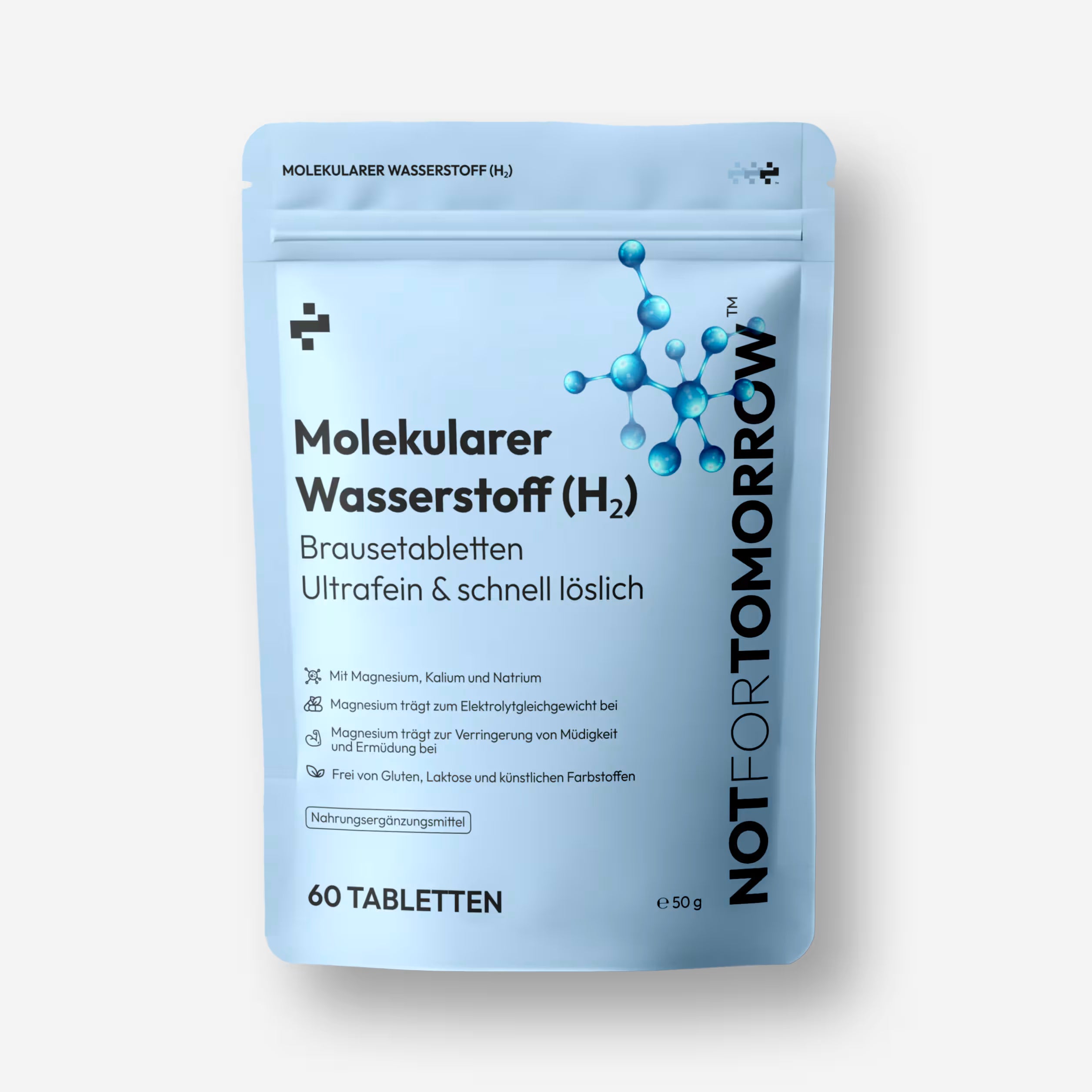
Most antioxidant supplements can’t cross the blood-brain barrier — molecular hydrogen can, and it does so within minutes. If you’ve been paying attention to the cutting edge of longevity research, you’ve likely come across molecular hydrogen (H₂). It’s the smallest and lightest molecule in existence, yet over 2,000 scientific publications suggest it may be one of the most versatile therapeutic agents we’ve ever studied. Unlike conventional antioxidants that neutralize free radicals indiscriminately, H₂ appears to selectively target the most damaging reactive oxygen species while leaving beneficial signaling molecules intact. That distinction matters more than most people realize. What Is Molecular Hydrogen and Why Should You Care? Molecular hydrogen is simply two hydrogen atoms bonded together (H₂) — a colourless, odourless, tasteless gas. When dissolved in water, it creates hydrogen-rich water that delivers H₂ directly to your cells. What makes it remarkable isn’t its chemistry on paper but its behaviour inside the body. H₂ is so small it can penetrate cell membranes, enter mitochondria, and even cross the blood-brain barrier without requiring any transport mechanism. A 2007 landmark study published in Nature Medicine by Ohsawa et al. demonstrated that inhaling hydrogen gas selectively reduced cytotoxic oxygen radicals — specifically hydroxyl radicals (•OH) and peroxynitrite (ONOO⁻) — while preserving hydrogen peroxide (H₂O₂) and nitric oxide (NO), which serve essential signaling functions in the body. This selectivity is what separates molecular hydrogen from vitamin C, vitamin E, or other conventional antioxidants. Those molecules neutralize free radicals broadly, which sounds great until you realize your body actually needs some reactive oxygen species for immune function, cell signaling, and exercise adaptation. H₂ appears to target only the destructive ones. The Science: How Molecular Hydrogen Works at the Cellular Level Understanding how H₂ works requires looking beyond simple antioxidant theory. Research suggests molecular hydrogen operates through multiple mechanisms simultaneously: Selective antioxidant activity: As established by Ohsawa et al. (2007) in Nature Medicine, H₂ selectively scavenges hydroxyl radicals — the most cytotoxic reactive oxygen species produced during oxidative stress — without disrupting beneficial ROS signaling pathways. Nrf2 pathway activation: A 2017 study in Oxidative Medicine and Cellular Longevity found that H₂ activates the Nrf2 signaling pathway, which upregulates your body’s own endogenous antioxidant enzymes including superoxide dismutase (SOD), catalase, and glutathione peroxidase. In other words, H₂ doesn’t just fight oxidative stress directly — it teaches your cells to fight it themselves. Anti-inflammatory signaling: Research published in Biochemical and Biophysical Research Communications showed that H₂ downregulates pro-inflammatory cytokines including TNF-α, IL-6, and IL-1β. This makes it relevant for anyone dealing with chronic low-grade inflammation — which, according to current research, includes most adults over 30. Mitochondrial protection: Because H₂ freely penetrates mitochondrial membranes, it can protect these energy-producing organelles at the source. A study in Medical Gas Research (2011) demonstrated that hydrogen-rich water supported mitochondrial membrane potential and ATP production under oxidative stress conditions. Molecular Hydrogen for Exercise Performance and Recovery Athletes and fitness enthusiasts are among the earliest adopters of hydrogen-rich water, and the research supports their interest. Exercise generates a surge of reactive oxygen species that contributes to fatigue, delayed-onset muscle soreness, and prolonged recovery times. A 2012 pilot study published in Medical Gas Research examined ten male soccer players who consumed hydrogen-rich water for one week. The results showed that those drinking hydrogen-rich water experienced reduced blood lactate levels and decreased markers of exercise-induced muscle fatigue compared to the placebo group. A separate study in the Journal of Sports Medicine and Physical Fitness (2014) found that hydrogen-rich water consumption before exercise supported peak power output and reduced perceived exertion during high-intensity protocols. The proposed mechanism is straightforward: by selectively neutralizing the most damaging exercise-induced free radicals while preserving the beneficial ones needed for training adaptation, H₂ may allow for better recovery without blunting the hormetic benefits of exercise. This is a critical distinction — you don’t want to completely eliminate exercise-induced ROS because they drive mitochondrial biogenesis and muscle adaptation. You want to remove the excess that causes unnecessary damage. Combining Molecular Hydrogen Tablets with Creatine Monohydrate creates a synergistic approach — creatine for ATP regeneration and power output, molecular hydrogen for targeted oxidative stress management and recovery. Brain Health and Neuroprotection: Where H₂ Really Shines Perhaps the most exciting area of molecular hydrogen research is neuroprotection. The brain consumes roughly 20% of the body’s oxygen supply yet has relatively weak endogenous antioxidant defences, making it particularly vulnerable to oxidative damage. Because H₂ crosses the blood-brain barrier effortlessly — something most antioxidant supplements simply cannot do — it has unique potential for brain health applications. A 2010 study in Neuroscience Letters found that hydrogen-rich water consumption supported cognitive function in animal models of neurodegenerative stress by reducing oxidative markers in brain tissue. Research from Nagoya University published in the Journal of Clinical Biochemistry and Nutrition (2019) conducted a randomised, double-blind, placebo-controlled trial with 13 participants and found that drinking hydrogen-rich water for 4 weeks was associated with improvements in mood and reduced markers of central nervous system inflammation. For those already stacking nootropics, molecular hydrogen pairs particularly well with Alpha-GPC 600mg for cholinergic support and Magnesium 7-in-1 for neuronal relaxation and sleep quality — creating a comprehensive brain health protocol. Gut Health and Systemic Inflammation The gut-body connection is no longer a fringe concept — it’s central to understanding chronic disease. Molecular hydrogen research has expanded significantly into gastrointestinal health. A 2018 study in Medical Gas Research demonstrated that hydrogen-rich water supported intestinal barrier integrity and reduced markers of gut-derived systemic inflammation in human subjects. The researchers noted decreased levels of circulating lipopolysaccharides (LPS), which are endotoxins released by gram-negative bacteria that trigger widespread inflammatory cascades when they enter the bloodstream through a compromised gut lining. This is particularly relevant for anyone dealing with post-meal bloating, food sensitivities, or the low-grade inflammation that often accompanies modern diets high in processed foods and omega-6 fatty acids. By supporting intestinal barrier function and reducing gut-derived inflammation, H₂ addresses the upstream cause rather than just managing downstream symptoms. Additionally, a study in World Journal of Gastroenterology (2017) found that hydrogen-rich water modulated the gut microbiome composition, supporting the growth of beneficial bacterial strains while reducing potentially harmful populations. How to Use Molecular Hydrogen Tablets: Dosage and Timing The most practical way to consume molecular hydrogen is through effervescent tablets that dissolve in water. NOTFORTOMORROW Molecular Hydrogen Tablets dissolve in 250-500ml of water, producing hydrogen-rich water with a high concentration of dissolved H₂. Here’s the evidence-based protocol most studies use: Daily maintenance: 1 tablet dissolved in 300-500ml of water, consumed in the morning on an empty stomach. Most research uses concentrations between 0.5 and 1.6 mg/L of dissolved hydrogen, which is the range achieved by quality effervescent tablets. Pre-workout: 1 tablet 20-30 minutes before training. This timing allows H₂ to reach peak tissue concentration before exercise-induced oxidative stress occurs. Recovery protocol: 1 tablet immediately post-workout alongside your regular recovery nutrition. Important practical tips: Drink the hydrogen-rich water promptly after the tablet fully dissolves. H₂ is a gas and will escape from the water over time — a sealed container like a MagBotl Water Bottle helps maintain concentration. Don’t add anything else to the water (no lemon, no electrolytes) as this can interfere with the dissolution process and H₂ concentration. Molecular Hydrogen vs. Other Antioxidants: Why Selectivity Matters The supplement market is flooded with antioxidant products — vitamin C, vitamin E, resveratrol, NAC, astaxanthin. So why consider molecular hydrogen? The answer lies in selectivity and bioavailability. Conventional antioxidants have two significant limitations: 1. They’re non-selective. Vitamin C, for example, neutralizes free radicals indiscriminately. While this sounds beneficial, your body uses certain reactive oxygen species (like hydrogen peroxide) for essential immune functions, gene expression regulation, and exercise adaptation. Wiping them all out can actually impair these processes. 2. Many can’t reach where they’re needed most. Most antioxidants are too large to cross the blood-brain barrier or penetrate mitochondrial membranes efficiently. They work in the bloodstream and extracellular spaces but can’t protect the organelles most vulnerable to oxidative damage. Molecular hydrogen solves both problems. It selectively targets only the most destructive radicals (hydroxyl and peroxynitrite) while leaving beneficial signaling molecules intact. And its tiny size means it reaches every compartment of every cell — including the mitochondria and nucleus — within minutes of consumption. This doesn’t mean you should abandon other antioxidants entirely. Vitamin C still supports collagen synthesis, immune function, and iron absorption through mechanisms unrelated to its antioxidant activity. The point is that molecular hydrogen fills a niche that no other antioxidant supplement currently occupies. Frequently Asked Questions About Molecular Hydrogen What are the proven benefits of molecular hydrogen tablets? Over 2,000 scientific publications have studied molecular hydrogen. Research suggests H₂ supports selective antioxidant activity (targeting hydroxyl radicals while preserving beneficial ROS), activates the Nrf2 pathway to boost endogenous antioxidant production, reduces pro-inflammatory cytokines, supports mitochondrial function, and may contribute to improved exercise recovery and cognitive function. How do you take molecular hydrogen tablets? Dissolve one tablet in 300-500ml of plain, room-temperature water in a sealed container. Wait until the tablet has fully dissolved (usually 1-2 minutes), then drink promptly. For general wellness, take one tablet daily on an empty stomach in the morning. Is molecular hydrogen safe to consume daily? Molecular hydrogen has an excellent safety profile. It’s naturally produced by gut bacteria during fibre fermentation. Multiple human clinical trials have used daily hydrogen-rich water consumption for periods ranging from 4 weeks to 6 months without reporting adverse effects. The FDA has granted molecular hydrogen GRAS (Generally Recognized As Safe) status as a food additive. Can molecular hydrogen cross the blood-brain barrier? Yes — this is one of its most significant advantages over other antioxidant supplements. H₂ is the smallest molecule in existence, allowing it to freely diffuse across all biological membranes including the blood-brain barrier, cell membranes, and mitochondrial membranes without requiring any transport proteins. What is the difference between molecular hydrogen and hydrogen water? Hydrogen water is simply water that has been infused with dissolved molecular hydrogen gas (H₂). Molecular hydrogen tablets create hydrogen water by reacting with water to release H₂ gas that dissolves into the liquid. The key factor is the concentration of dissolved hydrogen — effective therapeutic doses typically range from 0.5 to 1.6 mg/L. Can you combine molecular hydrogen with other supplements? Absolutely. Molecular hydrogen works through unique mechanisms that complement other supplements rather than competing with them. Popular stacks include H₂ with creatine monohydrate, Alpha-GPC, magnesium, and vitamin D3+K2. Because H₂ is selective in its antioxidant activity, it won’t interfere with beneficial oxidative signaling. How quickly does molecular hydrogen work after consumption? Molecular hydrogen reaches peak blood concentration within approximately 5-15 minutes after drinking hydrogen-rich water. Due to its extremely small molecular size, it rapidly diffuses throughout all body tissues including the brain. The dissolved H₂ is typically cleared from the body within 30-60 minutes, which is why consistent daily consumption is recommended.
Erfahren Sie mehr
Shilajit Resin: What 3,000 Years of Traditional Use and Modern Science Actually Agree On
Most supplements are isolated compounds in a capsule. Shilajit is something entirely different — a geological byproduct formed over centuries from decomposed plant matter, pressed between Himalayan rock layers, and concentrated into one of the most mineral-dense substances found in nature. For over 3,000 years, Ayurvedic practitioners have used shilajit as a rasayana — a rejuvenating substance believed to support vitality and longevity. That alone means nothing without evidence. But what makes shilajit genuinely interesting is that modern research is starting to validate many of these traditional uses, identifying specific bioactive compounds and measurable physiological effects. Here’s what we actually know — and what remains uncertain. What Is Shilajit, and Why Does Its Composition Matter? Shilajit is a dark, tar-like resin that seeps from high-altitude rock formations, primarily in the Himalayas, Altai Mountains, and Caucasus. It forms over centuries through the gradual decomposition of plant material by microorganisms, compressed under geological pressure. The key bioactive component is fulvic acid, which typically makes up 60–80% of the biologically active compounds in purified shilajit. Fulvic acid is a powerful organic electrolyte with an unusually low molecular weight, which allows it to penetrate cell membranes efficiently. Beyond fulvic acid, shilajit contains over 84 minerals in ionic form, including iron, zinc, magnesium, and selenium. It also contains dibenzo-alpha-pyrones (DBPs), small molecules that research suggests may support mitochondrial function. A study published in Pharmacognosy Research (2019) characterized shilajit’s composition and confirmed its rich mineral and organic acid profile. This complexity is precisely what makes shilajit difficult to replicate synthetically — and why quality matters enormously. Raw, unprocessed shilajit can contain heavy metals, mycotoxins, and other contaminants. Only purified resin that has undergone rigorous testing should ever be consumed. NOTFORTOMORROW Shilajit Resin is lab-tested for purity, heavy metals, and fulvic acid content to ensure you’re getting the real thing. Mitochondrial Support: The Energy Connection If there’s one mechanism that underpins most of shilajit’s reported benefits, it’s mitochondrial function. Your mitochondria produce ATP — the energy currency every cell in your body depends on. When mitochondria underperform, you feel it: brain fog, fatigue, slower recovery, reduced exercise capacity. Research published in the Journal of Ethnopharmacology (2012) found that shilajit’s dibenzo-alpha-pyrones can act as electron carriers in the mitochondrial electron transport chain, essentially supporting the efficiency of cellular energy production. This isn’t a stimulant effect — it’s foundational energy metabolism support. A preclinical study by Bhattacharyya et al. (2009) demonstrated that shilajit supplementation increased CoQ10 levels in muscle tissue, which further supports the mitochondrial energy pathway. CoQ10 is itself a critical component of the electron transport chain, and its decline with age is well-documented. This mitochondrial mechanism may explain why traditional practitioners associated shilajit with vitality and stamina — not through stimulation, but through more efficient energy production at the cellular level. Fulvic Acid and Mineral Absorption: A Natural Bioavailability Enhancer One of the most practical benefits of shilajit is often overlooked: fulvic acid appears to enhance the absorption of other nutrients. Research in the Journal of Alzheimer’s Disease (2012) noted that fulvic acid’s chelation properties allow it to bind minerals and transport them across cell membranes more efficiently. This isn’t just relevant for the minerals within shilajit itself — it may improve the bioavailability of other supplements taken alongside it. For example, if you’re taking Zinc Picolinate or Magnesium 7-in-1, pairing them with shilajit could theoretically enhance their absorption. While more human clinical trials are needed to confirm specific synergies, the biochemical rationale is sound: fulvic acid acts as a natural chelator that improves mineral transport across biological membranes. This is also why shilajit has historically been used as a yogavahi in Ayurveda — a substance that enhances the efficacy of other compounds. Cognitive Function and Brain Health The brain is the most energy-demanding organ in your body, consuming roughly 20% of your total energy despite being only 2% of your body weight. Any substance that supports mitochondrial function will, by extension, influence cognitive performance. But shilajit’s potential brain benefits may go beyond energy metabolism. A 2012 study published in the Journal of Alzheimer’s Disease found that fulvic acid can inhibit the aggregation of tau proteins — the tangled protein structures associated with neurodegenerative conditions. The researchers noted that fulvic acid showed potential as a nutraceutical compound for supporting cognitive health. Separately, a study in Andrologia (2016) found that participants taking purified shilajit showed improved cognitive function markers alongside hormonal improvements, suggesting a multi-pathway effect rather than a single mechanism. For those looking to stack cognitive support, combining shilajit with Alpha GPC 600mg creates an interesting combination: Alpha GPC provides acetylcholine precursors for neurotransmitter support, while shilajit addresses the mitochondrial energy demands of neural tissue. Exercise Performance and Recovery A clinical trial published in the Journal of the International Society of Sports Nutrition (2016) examined the effects of purified shilajit on exercise performance. Participants who supplemented with 250mg of shilajit twice daily for 8 weeks showed improvements in maximal muscular strength and fatigue-related biomarkers compared to placebo. The study found that shilajit supplementation helped maintain muscle strength following a fatiguing protocol, suggesting it may support recovery between training sessions. The researchers attributed this partly to shilajit’s antioxidant properties and its influence on ATP production. Another study (Pandit et al., 2016) found that shilajit supplementation increased collagen production and supported the maintenance of skeletal muscle-related genes, hinting at a role in connective tissue health — something every athlete should care about. For active individuals, pairing shilajit with Creatine Monohydrate may be particularly effective. Creatine directly feeds the phosphocreatine energy system for short, explosive efforts, while shilajit supports the aerobic mitochondrial energy pathway — complementary mechanisms for overall training capacity. Hormonal Health and Vitality A randomized, double-blind, placebo-controlled study published in Andrologia (2016) examined the effects of purified shilajit on healthy male volunteers aged 45–55. After 90 days of supplementation at 250mg twice daily, the shilajit group showed statistically significant improvements in testosterone levels compared to placebo. Total testosterone increased, as did DHEA — a precursor hormone that declines steadily after age 30. The researchers also noted improvements in gonadotropin levels, suggesting that shilajit may support the hormonal signaling pathway rather than artificially elevating a single hormone. It’s important to note that these results were observed in middle-aged men who likely had age-related hormonal decline. Whether the same effect occurs in younger, healthy individuals isn’t clear from current evidence. But for men over 35 experiencing gradual energy and vitality changes, the research is compelling enough to warrant consideration. Supporting hormonal health also connects back to sleep quality and stress management. Adequate testosterone and DHEA levels contribute to mood regulation, sleep architecture, and resilience to chronic stress. Antioxidant Properties and Cellular Protection Shilajit is one of the most potent natural antioxidants measured by ORAC (Oxygen Radical Absorbance Capacity) scores. The fulvic acid and humic substances within it can neutralize free radicals through electron donation — without becoming unstable free radicals themselves. This is significant because oxidative stress is a core driver of aging, inflammation, and cellular damage. Every time your mitochondria produce ATP, they also generate reactive oxygen species (ROS) as a byproduct. While some ROS signaling is necessary and beneficial (especially for exercise adaptation), excessive oxidative stress accelerates cellular aging. A study in Phytotherapy Research (2007) found that shilajit exhibited strong free radical scavenging activity, comparable to or exceeding many well-known antioxidant compounds. The combination of mineral cofactors and organic antioxidants in shilajit may create a synergistic effect that isolated antioxidant supplements can’t replicate. For those interested in comprehensive antioxidant support, pairing shilajit with Vitamin C Gummies covers both fat-soluble and water-soluble antioxidant pathways. How to Take Shilajit: Dosage, Timing, and What to Look For Not all shilajit is created equal — and most of what’s sold online is either diluted, synthetic, or contaminated. Here’s what matters when choosing and using shilajit: Form: Resin is the traditional and most bioavailable form. Powders and capsules often contain fillers or have been processed in ways that may degrade the fulvic acid content. A pea-sized portion (approximately 300–500mg) dissolved in warm water or milk is the standard approach. Dosage: Most clinical studies showing benefits have used 250–500mg per day of purified shilajit. Start at the lower end and assess tolerance. Timing: Morning on an empty stomach is the most common recommendation, as it aligns with the natural cortisol curve and allows maximum absorption. Some people take a second smaller dose in the early afternoon for sustained energy support. Quality markers: Look for third-party testing for heavy metals (lead, mercury, arsenic), fulvic acid content above 60%, and sourcing from high-altitude regions (above 3,000 meters). NOTFORTOMORROW Shilajit Resin meets all these criteria with full transparency on sourcing and lab results. What to expect: Shilajit isn’t a stimulant — don’t expect a caffeine-like buzz. Most users report gradually improved energy levels, mental clarity, and recovery over 2–4 weeks of consistent use. The effects are subtle but cumulative. Frequently Asked Questions About Shilajit What is shilajit and what are its main benefits? Shilajit is a natural resin formed over centuries from decomposed plant matter in high-altitude mountain ranges. Its primary bioactive compound is fulvic acid, which research suggests may support mitochondrial energy production, mineral absorption, cognitive function, exercise recovery, and antioxidant defense. It has been used in Ayurvedic medicine for over 3,000 years as a rejuvenating substance. Is shilajit safe to take daily? Purified, lab-tested shilajit is generally considered safe for daily use at doses of 250–500mg. Clinical studies lasting up to 90 days have reported no significant adverse effects. However, it’s essential to use only purified shilajit from reputable sources, as raw or unprocessed shilajit can contain heavy metals and contaminants. Pregnant or breastfeeding women and individuals with iron overload conditions should consult a healthcare professional first. How long does it take for shilajit to work? Most people notice subtle improvements in energy and mental clarity within 1–2 weeks, with more pronounced effects emerging after 4–8 weeks of consistent daily use. Because shilajit works primarily through mitochondrial support and mineral optimization rather than stimulation, the effects build gradually rather than being immediately noticeable. Can shilajit be combined with other supplements? Yes — in fact, shilajit’s fulvic acid content may enhance the absorption of other supplements. It pairs well with zinc, magnesium, creatine, and nootropics like Alpha GPC. In Ayurvedic tradition, shilajit is specifically classified as a bioavailability enhancer (yogavahi) that amplifies the effects of other compounds. What should I look for when buying shilajit? Prioritize purified resin form over powders or capsules. Check for third-party lab testing covering heavy metals (lead, mercury, arsenic, cadmium), fulvic acid content above 60%, and high-altitude sourcing. Avoid products that don’t disclose their testing or sourcing. Genuine shilajit resin should dissolve completely in warm water without leaving residue. Does shilajit support testosterone levels? A double-blind, placebo-controlled study in healthy men aged 45–55 found that 250mg of purified shilajit taken twice daily for 90 days resulted in statistically significant increases in total testosterone and DHEA levels compared to placebo. These results are most relevant for middle-aged men experiencing age-related hormonal changes. Why is shilajit resin better than shilajit capsules or powder? Resin is the least processed form and retains the full spectrum of bioactive compounds, including fulvic acid, dibenzo-alpha-pyrones, and trace minerals in their natural ratios. Powders and capsules often undergo additional processing that can degrade heat-sensitive compounds, and may contain fillers or flow agents. Resin also dissolves completely in warm liquid, allowing rapid absorption.
Erfahren Sie mehr
Zinc Deficiency Is More Common Than You Think — And It's Silently Draining Your Energy
Nearly one-third of the global population doesn’t get enough zinc — and most of them have no idea. They blame their fatigue on poor sleep, their brain fog on stress, and their frequent colds on bad luck. But the real culprit might be sitting in a blind spot: a mineral so essential that over 300 enzymes in your body depend on it to function. Zinc isn’t glamorous. It doesn’t have the marketing budget of vitamin D or the trendy appeal of magnesium. But when your levels drop, the effects cascade through nearly every system in your body — from immunity and hormone production to cognitive performance and wound healing. Here’s what the research actually says, and what you can do about it. Why Zinc Deficiency Is So Widespread According to a landmark review published in Nutrients (2012), an estimated 17.3% of the world’s population is at risk of inadequate zinc intake. In Europe, the numbers are lower but still significant — particularly among vegetarians, older adults, and people with digestive conditions that impair absorption. The problem is threefold: First, zinc isn’t stored efficiently in the body. Unlike fat-soluble vitamins that accumulate in tissue, zinc needs to be replenished regularly through diet or supplementation. Second, modern agricultural practices have depleted soil mineral content, meaning even zinc-rich foods like red meat and pumpkin seeds contain less of the mineral than they did decades ago. A study in HortTechnology (2009) found measurable declines in mineral density across commonly consumed vegetables over a 50-year period. Third — and this is the one most people miss — phytates in grains, legumes, and nuts actively block zinc absorption. If your diet is heavy on whole grains and plant-based proteins (which is increasingly common), you may be consuming zinc on paper but absorbing far less in practice. The World Health Organization estimates that phytate-rich diets can reduce zinc bioavailability by up to 45%. The Signs Your Body Is Running Low on Zinc Zinc deficiency doesn’t announce itself with a single dramatic symptom. Instead, it erodes function gradually across multiple systems, which is precisely why it goes undetected for so long. Common signs include: Frequent infections or slow recovery from illness — zinc is critical for T-cell function and innate immune response. A meta-analysis in Open Forum Infectious Diseases (2017) found that zinc supplementation reduced the duration of common cold symptoms by an average of 33%. Persistent fatigue and low motivation, even with adequate sleep. Impaired concentration and mental clarity. Slow wound healing or skin issues like acne and dermatitis. Reduced sense of taste or smell — a hallmark clinical sign. Hair thinning or brittle nails. If you’re experiencing a cluster of these symptoms, zinc status is worth investigating. A simple serum zinc test through your doctor can provide clarity, though it’s worth noting that serum levels don’t always reflect intracellular zinc stores. Zinc and Your Immune System: What the Science Shows If there’s one area where zinc’s importance is undeniable, it’s immunity. Zinc is involved in virtually every aspect of immune function — from the physical barrier of your skin to the activity of natural killer cells. A 2021 systematic review in Advances in Nutrition examined 28 randomised controlled trials and concluded that zinc supplementation significantly reduced the incidence of respiratory tract infections in both children and adults. The effect was most pronounced in individuals who were zinc-deficient at baseline, but even those with adequate levels showed modest improvements in immune resilience. The mechanism is well-understood: zinc supports the development and function of neutrophils and natural killer cells. Without sufficient zinc, your thymus gland — which produces T-cells — literally shrinks. Research published in The Journal of Immunology has shown that even mild zinc deficiency can reduce T-cell output by up to 40%. For comprehensive immune support, pairing zinc with Vitamin C Gummies can provide complementary pathways of defense — zinc supports cellular immunity while vitamin C contributes to antioxidant protection and white blood cell function. The Zinc-Energy Connection Most People Miss Here’s something that rarely gets discussed: zinc plays a direct role in energy metabolism. Zinc is a structural component of the enzyme carbonic anhydrase, which is essential for carbon dioxide transport and pH regulation in your blood. It’s also required for the proper function of lactate dehydrogenase, an enzyme involved in anaerobic energy production. When zinc levels drop, these enzymatic processes slow down — and you feel it as persistent, unexplained fatigue. A 2015 study published in Biological Trace Element Research found that zinc supplementation in fatigued women with suboptimal zinc status led to significant improvements in self-reported energy levels and reduced perception of physical exhaustion after just eight weeks. Zinc also supports thyroid hormone metabolism. Your thyroid requires zinc to convert the inactive hormone T4 into active T3 — the form that actually drives your metabolic rate. Research in Annals of Nutrition and Metabolism demonstrated that zinc deficiency was associated with decreased T3 levels and impaired thyroid function, even in individuals without diagnosed thyroid disease. If you’re feeling perpetually drained despite sleeping well and managing stress, it’s worth looking at zinc alongside other energy-supporting nutrients like B vitamins. The Bioactive Vitamin B Complex works synergistically with zinc to support mitochondrial energy production and reduce fatigue. Why Zinc Picolinate Is the Form That Matters Not all zinc supplements are created equal, and this is where most people make a costly mistake. The most common forms — zinc oxide and zinc gluconate — have relatively poor bioavailability. You’re swallowing the mineral, but your body isn’t absorbing much of it. Zinc picolinate is different. It’s zinc bound to picolinic acid, a naturally occurring amino acid metabolite that your body produces in the pancreas specifically to facilitate mineral absorption. This isn’t a marketing gimmick — it’s biochemistry. A randomised, double-blind study published in Agents and Actions (1987) compared zinc picolinate, zinc citrate, and zinc gluconate head-to-head. After four weeks of supplementation, the zinc picolinate group showed significantly higher changes in hair, urine, and red blood cell zinc levels compared to the other forms. The researchers concluded that picolinic acid uniquely enhances zinc uptake in the intestinal tract. More recent research has confirmed this advantage. A 2014 study in Journal of the American College of Nutrition found that chelated forms of zinc (including picolinate) demonstrated 24% higher absorption rates compared to non-chelated forms in human subjects. NOTFORTOMORROW Zinc Picolinate 30mg delivers the optimal daily dose in the most bioavailable form — no fillers, no unnecessary additives. Just the zinc your body can actually use. Optimal Dosing and Timing: What the Research Recommends The European Food Safety Authority (EFSA) has set the adequate intake for zinc at 7.5–12.7 mg per day for adults, depending on phytate intake levels. However, the tolerable upper intake level is 25 mg per day for adults, with many clinical studies using 30–40 mg doses safely for defined supplementation periods. For general wellness and deficiency prevention: 15–30 mg of zinc picolinate daily is the most commonly studied and well-tolerated range. A 30 mg dose is particularly appropriate for individuals with higher phytate intake (plant-heavy diets), those experiencing symptoms of deficiency, or anyone recovering from illness. Timing matters. Zinc is best absorbed on a partially empty stomach — ideally 1 hour before a meal or 2 hours after. If you experience nausea (a common side effect of lower-quality zinc supplements), taking it with a small protein-rich snack can help without significantly impacting absorption. Important interactions to be aware of: Zinc competes with copper for absorption, so long-term supplementation above 30 mg daily should ideally be balanced with a small amount of copper (1–2 mg). Zinc also interferes with iron absorption when taken simultaneously, so space these supplements at least 2 hours apart. Conversely, zinc and vitamin C are complementary and can be taken together. Avoid taking zinc at the same time as calcium supplements or dairy-heavy meals, as calcium can reduce zinc absorption by up to 50% according to research published in The American Journal of Clinical Nutrition. Who Should Be Paying Attention to Zinc While everyone needs zinc, certain groups are at substantially higher risk of deficiency: Vegetarians and vegans face a double challenge — lower intake from animal sources combined with higher phytate consumption that inhibits absorption. The American Journal of Clinical Nutrition recommends that vegetarians aim for 50% higher zinc intake than omnivores to compensate. Athletes and highly active individuals lose zinc through sweat at significant rates. A study in the Journal of the International Society of Sports Nutrition (2006) found that prolonged exercise can decrease serum zinc by 10–15%, with endurance athletes showing the lowest zinc status. Older adults experience reduced zinc absorption due to age-related changes in gut function. Research in Experimental Gerontology suggests that up to 35% of adults over 60 have inadequate zinc intake in developed countries. People under chronic stress deplete zinc faster, as cortisol increases urinary zinc excretion. If you’re going through a demanding period at work or in life, your zinc requirements are genuinely higher than normal. Anyone taking proton pump inhibitors (common heartburn medications) should be aware that these drugs significantly reduce mineral absorption, including zinc. Building a Smart Supplement Stack Around Zinc Zinc works best as part of an integrated approach to nutrition, not in isolation. Here’s how to think about it strategically: Zinc + Vitamin C is the classic immune-support pairing. While zinc supports cellular immune function, vitamin C contributes to the production of white blood cells and acts as an antioxidant in immune tissue. These pathways are complementary, not redundant. Zinc + B Vitamins addresses the energy equation. Zinc supports enzymatic energy production while B vitamins serve as cofactors in the mitochondrial electron transport chain. If fatigue is your primary concern, this combination is research-supported. Zinc + Vitamin D3 is particularly relevant in spring, as many people emerge from winter with depleted stores of both. Zinc actually supports vitamin D receptor expression, meaning adequate zinc levels may enhance your body’s ability to utilise vitamin D. The Vitamin D3 + K2 Drops pair well with zinc for comprehensive spring wellness support. The key principle: space your zinc supplementation away from iron and calcium, but feel free to combine it with vitamin C, vitamin D, and B vitamins. Frequently Asked Questions About Zinc Supplementation How do I know if I’m zinc deficient? Common signs of zinc deficiency include frequent colds or infections, persistent fatigue, slow wound healing, hair loss, brittle nails, reduced sense of taste or smell, and difficulty concentrating. A serum zinc blood test can confirm deficiency, though levels below 70 mcg/dL are generally considered low. Because serum zinc doesn’t always reflect total body stores, symptom assessment combined with lab work provides the most accurate picture. What is the best form of zinc to supplement? Zinc picolinate is considered one of the most bioavailable forms of zinc supplementation. Research has shown it demonstrates superior absorption compared to zinc oxide, zinc gluconate, and zinc sulfate. This is because picolinic acid — a natural compound produced by the pancreas — facilitates mineral transport across the intestinal wall. For most people, 30 mg of zinc picolinate daily provides optimal benefits. Can I take zinc every day long-term? Daily zinc supplementation at doses of 15–30 mg is generally considered safe for long-term use in adults. The European Food Safety Authority sets the tolerable upper intake level at 25 mg per day, though clinical studies have safely used 30 mg doses. For supplementation above 30 mg daily over extended periods, consider adding 1–2 mg of copper to prevent copper depletion, as zinc and copper compete for absorption. When is the best time to take zinc supplements? Zinc is best absorbed when taken on a partially empty stomach — ideally 1 hour before a meal or 2 hours after eating. Avoid taking zinc with dairy products, calcium supplements, or high-phytate foods (whole grains, legumes) as these can reduce absorption by up to 45–50%. If zinc causes stomach discomfort, take it with a small protein-rich snack rather than a full meal. Does zinc interact with other supplements or medications? Yes, zinc has several important interactions. It competes with copper and iron for absorption, so space these supplements at least 2 hours apart. Zinc can also reduce the absorption of certain antibiotics (tetracyclines and quinolones) — take these at least 2 hours before or 4–6 hours after zinc. Proton pump inhibitors and diuretics can reduce zinc levels over time. Zinc is safe to combine with vitamin C, vitamin D, and B vitamins. How much zinc do vegetarians and vegans need? Vegetarians and vegans may need up to 50% more zinc than omnivores due to higher phytate intake from plant-based diets, which inhibits zinc absorption. While the standard recommended intake is 8–11 mg daily, plant-based eaters should aim for 12–16 mg through diet or consider supplementing with 15–30 mg of zinc picolinate to ensure adequate levels. Soaking, sprouting, and fermenting grains and legumes can help reduce phytate content and improve zinc bioavailability.
Erfahren Sie mehr
Vitamin C Is Wildly Underrated: What the Research Actually Shows About This Essential Nutrient
Vitamin C Is Wildly Underrated: What the Research Actually Shows About This Essential Nutrient Most people think vitamin C is just for colds. They're wrong — and the science has been saying so for decades. Vitamin C (ascorbic acid) is one of the most studied nutrients in human biochemistry, yet its reputation hasn't caught up with the research. While the average person reaches for a vitamin C supplement only when they feel a sniffle coming on, researchers have been documenting its role in everything from collagen synthesis and iron absorption to cortisol regulation and neurotransmitter production. If you're only thinking about vitamin C in terms of immune defense, you're missing at least 80% of the story. Here's what the science actually says — and why this vitamin deserves a permanent spot in your daily routine, not just your medicine cabinet. The Biochemistry of Vitamin C: Far More Than an Antioxidant Vitamin C is a water-soluble vitamin and a powerful electron donor, which is the mechanism behind most of its biological functions. It serves as a cofactor for at least eight enzymatic reactions in the human body, including those involved in collagen synthesis, carnitine production, and the conversion of dopamine to norepinephrine. Humans are among the few mammals that cannot synthesize vitamin C endogenously. A mutation in the L-gulonolactone oxidase (GULO) gene means we lost this ability millions of years ago. Every other mammal — from goats to dogs — produces its own ascorbic acid internally. We have to get it from food or supplementation. Period. The recommended daily allowance (RDA) of 80 mg (EU NRV) was established primarily to prevent scurvy — a deficiency disease. But preventing scurvy and achieving optimal tissue saturation are two very different goals. Research published in the Annals of Nutrition and Metabolism suggests that plasma saturation requires intakes closer to 200 mg per day, and that many individuals — especially smokers, athletes, and those under chronic stress — may need considerably more. Immune Function: The Evidence Goes Deeper Than You Think Yes, vitamin C supports immune function. But the mechanism is far more sophisticated than "boosts your immune system" — a phrase that means almost nothing scientifically. Vitamin C accumulates in immune cells — particularly neutrophils, lymphocytes, and phagocytes — at concentrations 10 to 100 times higher than in plasma. A 2017 review in the journal Nutrients documented that vitamin C contributes to immune defense by supporting the epithelial barrier, enhancing the pathogen-killing capacity of neutrophils, and promoting lymphocyte proliferation and differentiation. During infections and periods of physiological stress, vitamin C levels in the blood drop rapidly, indicating that the body's demand for ascorbic acid increases dramatically under these conditions. A meta-analysis of 29 controlled trials found that regular vitamin C supplementation reduced the duration of colds by 8% in adults, with more pronounced effects in individuals under physical stress — marathon runners, soldiers, and skiers saw reductions of up to 50%. The practical takeaway: consistent daily intake matters more than megadosing when you're already sick. Your immune cells need to be saturated before the challenge arrives. That's why a convenient daily form like NOTFORTOMORROW Vitamin C Gummies makes maintaining consistent intake significantly easier than remembering capsules or powders. Collagen Synthesis: The Structural Foundation of Your Body Collagen is the most abundant protein in the human body, making up roughly 30% of total protein content. It's the structural scaffold of skin, tendons, ligaments, blood vessels, bones, and the gut lining. And vitamin C is essential for its production. Specifically, vitamin C is required as a cofactor for prolyl hydroxylase and lysyl hydroxylase — the two enzymes responsible for stabilizing the collagen triple helix structure. Without adequate vitamin C, your body literally cannot produce functional collagen. This is why scurvy, the extreme deficiency state, manifests as bleeding gums, poor wound healing, and joint pain — all collagen-related failures. Even subclinical deficiency can impair collagen production. A study in the American Journal of Clinical Nutrition found that vitamin C status directly correlates with skin collagen density and wound healing speed. For anyone concerned with skin health, joint integrity, or recovery from injury, vitamin C isn't optional — it's foundational. If you're taking collagen supplements but ignoring vitamin C, you're essentially giving your body raw materials without the tool it needs to assemble them. Iron Absorption: A Critical Partnership Most People Overlook Iron deficiency is the most common nutritional deficiency worldwide, affecting an estimated 1.6 billion people according to the WHO. And vitamin C plays a direct role in how well your body absorbs iron from food and supplements. Non-heme iron — the form found in plant foods and most supplements — has notoriously poor bioavailability, typically between 2-20%. Vitamin C enhances non-heme iron absorption by reducing ferric iron (Fe³⁺) to ferrous iron (Fe²⁺) in the gut, making it significantly more absorbable. Studies have shown that consuming just 100 mg of vitamin C with a meal can increase iron absorption by up to 67%. This is particularly relevant for vegetarians, vegans, women of menstruating age, and endurance athletes — all groups at higher risk of iron depletion. If you're supplementing with iron, pairing it with vitamin C isn't just a nice idea — it's evidence-based practice. Consider combining Vitamin C Gummies with NOTFORTOMORROW Iron Drops for optimized absorption. The liquid iron format already offers superior bioavailability, and adding vitamin C to the equation amplifies that further. Stress, Cortisol, and the Adrenal Connection Here's something most people don't know: the adrenal glands contain one of the highest concentrations of vitamin C in the entire body. This isn't coincidental — vitamin C is directly involved in the synthesis of cortisol, adrenaline, and noradrenaline. During periods of acute stress, the adrenal glands release their stored vitamin C into the bloodstream. Research published in Psychopharmacology demonstrated that supplementation with 1,000 mg of vitamin C reduced cortisol and subjective stress responses in participants subjected to psychological stress tests (the Trier Social Stress Test). Blood pressure responses to stress were also significantly lower in the vitamin C group. Chronic stress depletes vitamin C faster than almost any other condition. If you're dealing with work pressure, sleep disruption, intense training, or emotional strain — your vitamin C requirements are elevated, and your dietary intake may not be keeping up. A 2015 systematic review in the Pakistan Journal of Biological Sciences concluded that vitamin C supplementation can play a supporting role in the management of stress-related physiological responses. This makes vitamin C a surprisingly relevant nutrient for anyone navigating high-demand lifestyles — not just those worried about catching a cold. Cognitive Function and Neurotransmitter Production The brain is a vitamin C-hungry organ. Concentrations of ascorbic acid in the central nervous system are 10 times higher than in the blood, maintained by active transport mechanisms that prioritize brain supply even during deficiency. Vitamin C is a required cofactor for dopamine beta-hydroxylase, the enzyme that converts dopamine into norepinephrine — a neurotransmitter critical for attention, arousal, and mood regulation. It also supports the synthesis of serotonin and contributes to the recycling of tetrahydrobiopterin (BH4), a cofactor needed for producing dopamine and serotonin in the first place. A cross-sectional study published in the Journal of Alzheimer's Disease found that higher plasma vitamin C levels were associated with better cognitive performance in older adults. Research in younger populations similarly suggests that adequate vitamin C status correlates with improved mood, reduced mental fatigue, and sharper cognitive performance. If you're stacking nootropics or cognitive support supplements but neglecting vitamin C, you may be undermining the very biochemical pathways you're trying to optimize. Consider it a foundational nutrient for any cognitive performance protocol — pair it with FocusFuel or Alpha-GPC for a more complete approach to mental clarity. Exercise Recovery and Physical Performance Intense exercise generates reactive oxygen species (ROS) as a natural byproduct of increased metabolic activity. While some ROS signaling is necessary for training adaptations, excessive oxidative stress can contribute to muscle damage, delayed recovery, and immune suppression — a phenomenon well-documented in overtraining research. Vitamin C, as a potent antioxidant, contributes to neutralizing excess ROS and supporting recovery between training sessions. A study in the European Journal of Applied Physiology found that vitamin C supplementation reduced markers of exercise-induced muscle damage (creatine kinase and muscle soreness) following high-intensity exercise. Athletes and regular exercisers have higher vitamin C turnover rates. The increased metabolic demand, combined with sweat losses (yes, vitamin C is lost through sweat), means that active individuals often need more than sedentary people. This is especially true during heavy training blocks, competition phases, or when training in heat. For those who are also supplementing with Creatine Monohydrate or Magnesium 7-in-1 for performance and recovery, adding vitamin C to the mix rounds out a comprehensive approach to training support. How Much Vitamin C Do You Actually Need? The EU Nutrient Reference Value (NRV) for vitamin C is 80 mg — enough to prevent scurvy, but likely insufficient for optimal health in many individuals. Here's a more nuanced perspective based on the research: General health maintenance: 200-500 mg daily appears sufficient for plasma saturation in most healthy adults, based on pharmacokinetic studies published in the Proceedings of the National Academy of Sciences. Active individuals and athletes: 500-1,000 mg daily is commonly used in exercise science research, with the timing around training sessions sometimes recommended for recovery support. High-stress periods or immune challenges: Higher intakes up to 1,000-2,000 mg daily have been used in clinical studies, though the body's absorption efficiency decreases at higher single doses. Splitting intake across the day can help maximize absorption. Smokers: The U.S. Institute of Medicine recommends an additional 35 mg/day for smokers due to increased oxidative stress and faster vitamin C turnover. Because vitamin C is water-soluble, excess amounts are excreted through urine rather than stored, which means consistent daily intake is more effective than sporadic megadosing. This is another reason why a convenient daily format matters — it supports the consistency that the science demands. Food Sources vs. Supplementation: Do You Need Both? Rich dietary sources of vitamin C include bell peppers (especially red), kiwi, strawberries, broccoli, Brussels sprouts, and citrus fruits. A single red bell pepper contains roughly 190 mg of vitamin C — more than two oranges. However, vitamin C is highly sensitive to heat, light, and oxygen. Cooking can destroy 15-55% of the vitamin C content in foods, and prolonged storage further reduces levels. If your diet is heavy on cooked vegetables and light on raw produce, your actual vitamin C intake may be lower than you think. A 2019 survey published in the European Journal of Clinical Nutrition found that a significant percentage of European adults had suboptimal vitamin C status, despite the widespread availability of fruits and vegetables. Factors contributing to this include dietary habits, food processing, smoking, alcohol consumption, and chronic stress. Supplementation offers a reliable way to ensure consistent, adequate intake regardless of dietary variability. NOTFORTOMORROW Vitamin C Gummies provide a measured dose in a format that actually makes daily compliance enjoyable — which matters more than most people realize. The best supplement is the one you actually take consistently. Frequently Asked Questions About Vitamin C What is the best form of vitamin C to take? Ascorbic acid is the most studied and well-absorbed form of vitamin C. Research consistently shows that synthetic ascorbic acid has equivalent bioavailability to naturally occurring vitamin C from food sources. The key factor for absorption is dose size — smaller, more frequent doses (under 500 mg at a time) are absorbed more efficiently than single large doses. Gummy and chewable formats can also improve compliance, which is critical for maintaining consistent blood levels. Can you take too much vitamin C? Vitamin C has a strong safety profile due to its water-soluble nature — excess amounts are excreted through urine. The European Food Safety Authority (EFSA) has not established a formal upper limit, though the U.S. Institute of Medicine sets a tolerable upper intake level at 2,000 mg/day for adults. At very high doses (above 2,000-3,000 mg), some individuals may experience gastrointestinal discomfort. For most people, intakes between 200-1,000 mg daily are well-tolerated and effective. Should you take vitamin C with iron supplements? Yes — this is one of the most evidence-based supplement pairings. Vitamin C enhances the absorption of non-heme iron by converting it from its ferric (Fe³⁺) to ferrous (Fe²⁺) form in the gut. Research shows that as little as 100 mg of vitamin C taken with iron can increase absorption by up to 67%. This is especially important for individuals prone to iron deficiency, including vegetarians, women of menstruating age, and endurance athletes. Does vitamin C actually prevent colds? The research is nuanced. Regular daily vitamin C supplementation does not significantly reduce the incidence of colds in the general population. However, meta-analyses show it can reduce the duration of cold symptoms by 8% in adults and 14% in children. For individuals under heavy physical stress (athletes, soldiers), the effect is more pronounced — regular supplementation has been shown to reduce cold incidence by up to 50% in these populations. The key word is "regular" — you need consistent daily intake, not just when symptoms appear. Is vitamin C good for skin health? Vitamin C plays a direct role in skin health through multiple mechanisms. It is essential for collagen synthesis, which maintains skin structure and elasticity. It also functions as an antioxidant in the skin, contributing to protection against UV-induced photodamage. Clinical studies have shown that higher vitamin C intake is associated with better skin appearance, including reduced wrinkling and dryness. Both dietary intake and topical application have demonstrated benefits, though they work through different pathways. When is the best time to take vitamin C? Vitamin C can be taken at any time of day, with or without food. However, taking it with a meal may reduce the chance of mild stomach discomfort at higher doses. If you're pairing it with iron supplements, take them together to maximize iron absorption. Since vitamin C is water-soluble and has a relatively short half-life in the body (approximately 10-20 days for tissue stores, but plasma levels fluctuate daily), splitting your intake into two doses — morning and evening — can help maintain more consistent blood levels throughout the day. The bottom line: Vitamin C is one of the most essential, most studied, and most underappreciated nutrients in human health. It's not just about colds — it's about collagen, cognition, cortisol, iron status, and recovery. If you're serious about optimizing your health, consistent daily vitamin C intake isn't optional. It's foundational. Ready to make vitamin C a non-negotiable part of your daily routine? Explore NOTFORTOMORROW Vitamin C Gummies — or build your own bundle to combine it with other science-backed essentials.
Erfahren Sie mehr
Why Your Brain Needs Creatine: The Cognitive Benefits Most People Overlook
Creatine isn't just for building muscle — your brain burns through it faster than any other organ, and most people are running on empty. When you hear "creatine," you probably picture gym bros scooping powder into shaker bottles. Fair enough. Creatine monohydrate has been the most researched sports supplement for three decades. But here's what the fitness industry won't tell you: your brain is the single largest consumer of creatine in your body, using up to 20% of your total creatine phosphate stores despite being only 2% of your body weight. And the science on cognitive benefits is stacking up fast. Researchers at the University of Sydney found that creatine supplementation improved working memory and processing speed in healthy adults by up to 15%. That's not a marginal gain — that's the difference between a foggy afternoon and a sharp one. Let's break down what's actually happening in your neurons. How Creatine Powers Your Brain at the Cellular Level Every thought you think, every decision you make, every word you read right now — all of it requires adenosine triphosphate (ATP). Your brain consumes roughly 20% of your body's total energy output, making it the most metabolically demanding organ you have. Creatine's role is elegantly simple: it donates a phosphate group to ADP (adenosine diphosphate) to regenerate ATP. This happens via the creatine kinase enzyme system, and it's the fastest way your cells can produce energy — faster than glucose metabolism, faster than mitochondrial oxidative phosphorylation. When brain creatine levels drop, cognitive performance drops with them. A 2018 study published in Experimental Gerontology demonstrated that even mild creatine depletion correlated with measurable declines in short-term memory and attention span. The brain simply cannot afford energy shortages. The Research: What Creatine Supplementation Actually Does for Cognition The evidence base for creatine and cognition has grown substantially over the past decade. Here are the key findings that matter: Working memory improvement: A randomized, double-blind study by Rae et al. (2003) in the Proceedings of the Royal Society B showed that 5g of creatine monohydrate daily for six weeks significantly improved both working memory and intelligence test scores in healthy volunteers. The effect was particularly pronounced during tasks requiring rapid processing. Sleep deprivation resilience: Research published in Psychopharmacology (McMorris et al., 2006) found that creatine supplementation reduced the negative cognitive effects of 24-hour sleep deprivation. Subjects maintained better executive function and reaction times compared to placebo. If you've ever pulled a late night and felt your brain slow to a crawl the next day, creatine offers a buffer. Stress-related cognitive decline: A 2007 study in the Royal Society B: Biological Sciences demonstrated that creatine supplementation attenuated mental fatigue during repeated mathematical calculations performed under stress. The creatine group maintained accuracy while the placebo group's performance degraded. Neuroprotective potential: Emerging research suggests creatine may support brain health during aging. A review in Neuroscience & Biobehavioral Reviews (Roschel et al., 2021) highlighted creatine's potential role in supporting mitochondrial function and reducing oxidative stress in neural tissue — two mechanisms closely linked to age-related cognitive decline. Who Benefits Most From Brain-Focused Creatine Supplementation While creatine appears to benefit cognition broadly, certain groups see outsized results: Vegetarians and vegans: Since creatine is found primarily in animal products (red meat and fish), people following plant-based diets typically have 20-30% lower baseline creatine stores. Research from the British Journal of Nutrition (2011) showed that vegetarians experienced the most significant cognitive improvements from creatine supplementation — essentially closing the gap caused by dietary deficiency. Older adults: Age-related decline in creatine synthesis is well-documented. A meta-analysis in Experimental Gerontology (2020) found that creatine supplementation in adults over 60 improved both memory performance and reasoning tasks. The effect sizes were clinically meaningful, not just statistically significant. High-stress professionals: If your work demands sustained mental performance — think surgeons, programmers, financial analysts, founders — creatine supplementation may help maintain cognitive output during extended periods of mental exertion. The ATP regeneration mechanism doesn't discriminate between physical and mental energy demands. Anyone dealing with poor sleep: Combined with good sleep hygiene and proper magnesium supplementation, creatine can help buffer the cognitive costs of less-than-perfect sleep. Not a replacement for rest, but a meaningful support system.Dosage, Timing, and What the Science Actually Recommends The most studied protocol for cognitive benefits mirrors the athletic dosing: 3-5 grams of creatine monohydrate daily. There's no need for a loading phase when targeting cognitive benefits — consistent daily intake allows brain creatine stores to saturate over approximately 3-4 weeks. Timing matters less than consistency. Unlike pre-workout supplements that need precise timing, creatine's cognitive benefits come from maintaining elevated brain creatine stores over time. Take it when you'll remember to take it — with breakfast, in your afternoon smoothie, mixed into your morning coffee. The key is daily adherence. Quality matters enormously here. Ultra-micronized creatine monohydrate dissolves more completely and absorbs more efficiently than standard creatine powder. The particle size reduction means better solubility and fewer digestive complaints — a common barrier that causes people to quit supplementation before brain stores fully saturate. What about creatine forms? Despite marketing claims for creatine HCl, buffered creatine, and creatine ethyl ester, the evidence overwhelmingly supports plain creatine monohydrate as the most effective and best-studied form. The International Society of Sports Nutrition's position stand is unambiguous on this point. The Creatine-Brain Stack: Synergistic Supplements for Cognitive Performance Creatine works through the ATP energy system, but optimal cognitive function requires support across multiple pathways. Here's what research suggests pairs well: Creatine + Alpha-GPC: While creatine handles energy supply, Alpha-GPC supports acetylcholine production — the neurotransmitter directly involved in memory formation and learning. A study in the Journal of the International Society of Sports Nutrition found that Alpha-GPC enhanced both physical and cognitive performance markers. Combining it with creatine addresses two distinct bottlenecks in brain performance. Creatine + B-Vitamins: Creatine synthesis in the body requires methylation, a process that depends heavily on B-vitamins — particularly B6, B12, and folate. Without adequate B-vitamin status, your body's endogenous creatine production suffers. A high-quality bioactive B-complex supports the methylation cycle that feeds creatine biosynthesis. Creatine + Magnesium: Magnesium is a cofactor for the creatine kinase enzyme — the very enzyme that transfers phosphate groups from creatine to regenerate ATP. Low magnesium levels literally impair creatine's mechanism of action. Ensuring adequate magnesium intake with a comprehensive magnesium supplement helps creatine do its job more effectively. Common Myths About Creatine and Brain Health — Debunked "Creatine causes water retention and bloating." Creatine does increase intracellular water content — inside muscle cells. This is actually a positive sign of cellular hydration. The "puffy" look some people report typically comes from poor-quality creatine with large particle sizes or excessive sodium in the formulation. Ultra-micronized creatine monohydrate minimizes this issue significantly. "Creatine is bad for your kidneys." This myth persists despite being thoroughly debunked. A comprehensive review in the Journal of the International Society of Sports Nutrition (2017) examined dozens of studies and concluded that creatine supplementation at recommended doses does not impair kidney function in healthy individuals. "Only athletes need creatine." This is perhaps the most damaging myth. Given that the brain is creatine's primary consumer, arguing that only athletes need it is like saying only runners need oxygen. Anyone with a brain has a metabolic need for creatine. "You can get enough creatine from food." To match the 3-5g daily dose used in studies, you'd need to eat roughly 1-2 pounds of raw red meat or fish daily. Cooking degrades a significant portion of creatine content. Supplementation is the only practical way to achieve and maintain optimal brain creatine levels. How to Start: A Practical Protocol for Cognitive Enhancement If you're new to creatine supplementation for brain health, here's a straightforward approach: Week 1-4 (Saturation): Take 5g of ultra-micronized creatine monohydrate daily with a meal. The food improves absorption. Don't skip days during this phase — consistency is what builds brain creatine stores. Week 5+ (Maintenance): Continue with 3-5g daily. Most researchers recommend staying at 5g for cognitive benefits, as brain saturation may require slightly higher ongoing doses than muscle saturation. Track your baseline. Before starting, note your current mental performance — afternoon energy levels, ease of focusing during complex work, memory recall during meetings. After 4-6 weeks of consistent supplementation, reassess. Combine strategically. Pair creatine with adequate sleep, proper hydration (aim for at least 2.5L daily — consider a quality water bottle to keep you honest), and a nutrient-dense diet. No supplement compensates for fundamentals, but creatine amplifies the benefits of getting them right. Frequently Asked Questions Does creatine supplementation improve memory and focus in healthy adults? Yes. Multiple randomized controlled trials demonstrate that creatine monohydrate supplementation at 3-5g daily improves working memory, processing speed, and mental endurance in healthy adults. Effects are most pronounced during cognitively demanding situations and after 3-4 weeks of consistent supplementation when brain creatine stores reach saturation. Is creatine safe for long-term daily use? Creatine monohydrate is one of the most extensively studied supplements in existence, with research spanning over 30 years. The International Society of Sports Nutrition and the European Food Safety Authority have confirmed its safety for long-term use at recommended doses (3-5g daily) in healthy individuals. How long does it take for creatine to improve cognitive performance? Brain creatine stores take approximately 3-4 weeks of daily supplementation (5g/day) to reach saturation. Some individuals report noticeable improvements in mental clarity and reduced brain fog within 2 weeks, though the full cognitive benefits typically manifest after the saturation period. Can creatine help with brain fog and mental fatigue? Research strongly suggests yes. Brain fog and mental fatigue are often linked to impaired cerebral energy metabolism. Creatine directly supports ATP regeneration in neural tissue, which may explain why supplementation reduces mental fatigue during demanding cognitive tasks. What is the best form of creatine for brain health? Creatine monohydrate remains the gold standard. Despite marketing claims for newer forms like creatine HCl or buffered creatine, no alternative form has demonstrated superior bioavailability or effectiveness in peer-reviewed research. Ultra-micronized creatine monohydrate offers the best combination of proven effectiveness, optimal absorption, and minimal digestive discomfort. Should vegetarians and vegans take creatine for cognitive benefits? Vegetarians and vegans are among the groups most likely to benefit from creatine supplementation. Because creatine is found almost exclusively in animal products, plant-based individuals typically have significantly lower creatine stores — 20-30% lower than omnivores.
Erfahren Sie mehr
Der Carnivore-Diät-Supplement-Stack: Was dir bei reiner Fleischernährung fehlt
Cold exposure is genuinely effective for recovery, but not because it numbs pain because it triggers hormetic adaptation that strengthens mitochondrial resilience and increases antioxidant production
Erfahren Sie mehr
Nootropika 101: Ein Einsteiger-Guide zur kognitiven Verbesserung
You've probably heard that creatine works the research is ironclad. But if your creatine sits in your stomach like chalk, you're leaving gains on the table. We sat down with a sports nutrition researc
Erfahren Sie mehr