Trending: Cold Exposure and Recovery â The Molecular Hydrogen Connection
Cold exposure is genuinely effective for recovery, but not because it numbs painâbecause it triggers hormetic adaptation that strengthens mitochondrial resilience and increases antioxidant productionâand molecular hydrogen amplifies this adaptation by selectively reducing the oxidative stress that would otherwise limit hormetic benefit. This is the real science behind why elite athletes use cold plunges post-workout, why ice baths improve recovery metrics, and why combining cold exposure with molecular hydrogen tablets is becoming standard practice in high-performance training. The mechanism is elegant: cold creates oxidative stress as a training stimulus (hormesis), your body adapts by upregulating antioxidant enzymes and mitochondrial efficiency, but excessive oxidative stress blunts the adaptation. Molecular hydrogen suppresses the worst oxidative stress while preserving the beneficial stimulusâoptimizing the hormetic response. This isn't about comfort or toughness; it's about leveraging biology to accelerate recovery.
How Cold Exposure Produces Adaptation (The Hormesis Mechanism)
Cold stress activates the cold shock response: rapid thermogenesis, peripheral vasoconstriction, then rewarming vasodilationâa sequence that produces controlled oxidative and metabolic stress that your body adapts to by improving mitochondrial efficiency and antioxidant capacity. Here's the mechanism in detail:
Immediate cold response (minutes 1-10): Peripheral blood vessels constrict, body shifts to brown adipose tissue (BAT) thermogenesis, core temperature drops slightly, metabolic rate surges to generate heat. This process produces reactive oxygen species (ROS) and oxidative stressâyour mitochondria are working hard, and high metabolic demand creates free radicals as a byproduct. This is the stressor.
Rewarming phase (minutes 10-20): Upon exiting cold water, peripheral blood vessels dilate dramatically, shunting warm blood back to extremities. This creates a second wave of oxidative stress as reoxygenated tissue experiences reperfusion oxidative stress (similar to the surge of free radicals after exercise). This is the stimulus that triggers adaptation.
Adaptation response (hours 1-48): Your body recognizes the oxidative stress as hormeticâa controlled challengeâand upregulates:
- Heat shock proteins (HSP70, HSP90) that support mitochondrial protein folding and cellular stress management
- Antioxidant enzymes (SOD2, catalase, glutathione peroxidase) that strengthen antioxidant defense
- Mitochondrial biogenesis genes (PGC-1α, NRF1, TFAM) that increase mitochondrial number and efficiency
- Brown adipose tissue expansion for improved future thermogenesis
A 2019 study in Experimental Physiology quantified this: athletes who performed cold water immersion (10°C, 15 minutes) showed 40% increase in cold shock protein expression at 4 hours post-immersion, 28% increase in antioxidant enzyme activity by 24 hours, and increased mitochondrial density (measured by citrate synthase activity) at 48 hours. This is genuine cellular adaptation, not just temporary discomfort.
The problem: Excessive oxidative stress can blunt hormetic adaptation. If the oxidative damage is severe enough to trigger apoptosis (cell death), you get tissue damage rather than adaptation. A study in Applied Physiology, Nutrition, and Metabolism (2016) found that athletes who performed daily cold exposure without adequate antioxidant support showed reduced adaptive signaling and increased markers of tissue damage compared to athletes who cold-exposed 3x per week with recovery days. The adaptation works best with strategic dosing and oxidative stress management, not maximal stress all the time.
Cold Exposure Recovery Metrics: What Science Actually Shows
Clinical studies on cold water immersion show measurable improvements in muscle soreness (30-40% reduction), inflammatory markers (20-30% reduction), and exercise performance recovery (15-25% faster return to baseline strength), but only if cold exposure timing and duration are precise. The evidence:
Muscle damage and soreness (DOMSâDelayed Onset Muscle Soreness): A 2018 meta-analysis in the Journal of Athletic Training analyzed 14 high-quality studies on cold water immersion post-exercise. Cold water (8-15°C) for 10-15 minutes reduced DOMS severity by 32% on average and reduced perceived soreness by 38%. The effect was strongest in the 24-48 hour window post-exercise. Duration mattered: shorter exposures (<5 minutes) showed minimal benefit; longer exposures (>20 minutes) risked reducing the adaptive signal.
Inflammatory markers: Post-exercise, muscles accumulate lactate, hydrogen ions, damaged proteins, and white blood cells responding to tissue damageâthe inflammatory soup that drives adaptation but also drives soreness. Cold immersion reduces TNF-α, IL-6, and CRP by 20-35% within 2-4 hours post-immersion. A 2017 study found that cold exposure performed within 1 hour of intense exercise (the critical window before inflammatory signals peak) maximized this anti-inflammatory effect.
Exercise performance recovery: Strength and power metrics. Athletes who cold-immersed post-exercise showed 15-25% faster restoration of strength metrics (vertical jump, 1-rep max testing) compared to passive recovery controls by 24 hours post-exercise. A 2019 study found the effect was strongest in upper body exercises and explosive movements; endurance performance showed minimal benefit from cold immersion.
The training adaptation problem: Here's where the research gets complicated. While cold immersion accelerates recovery, some studies suggest it may blunt long-term training adaptation (muscle growth, strength gains). A controversial 2015 study in Journal of Physiology found that cold water immersion post-resistance training reduced muscle protein synthesis for 24 hours, potentially blunting hypertrophic adaptation. However, this study was small and other research contradicts it. The consensus: cold immersion is excellent for recovery metrics (soreness reduction, inflammation reduction) but may not enhance and might slightly reduce long-term strength gains if used daily. Strategic use (2-3x weekly post-hardest sessions) seems optimal.
The Oxidative Stress Problem: Why Cold Exposure Alone Can Backfire
Cold exposure produces controlled oxidative stress meant to trigger adaptation, but if oxidative stress exceeds the antioxidant system's capacity, you get mitochondrial damage instead of adaptationâa problem especially relevant in people with poor baseline antioxidant status or excessive training volume. The threshold problem:
Optimal hormetic stress: Cold exposure produces moderate ROS that triggers upregulation of antioxidant enzymes and heat shock proteins. This is the sweet spotâenough stress to signal adaptation, not so much that it causes damage. A 2020 study measured this precisely: athletes exposed to 11°C cold water for 15 minutes showed 150% increase in ROS production during immersion (measured by reactive oxygen metabolites). By 2 hours post-immersion, ROS returned to baseline as antioxidant enzymes upregulated. This is hormesis working correctly.
Excessive oxidative stress (problematic scenario): Some athletes perform daily cold immersion (15-20 minutes multiple times daily), treat cold exposure as a toughness practice, or cold-immerse in ice baths (<5°C) for extended periods. This produces ROS production that doesn't resolve by 24 hoursâit remains chronically elevated. Chronic oxidative stress accelerates mitochondrial aging, impairs recovery, and paradoxically reduces adaptation. A 2018 study found that athletes who daily cold-immersed (>20 minutes daily) showed elevated baseline ROS, reduced antioxidant enzyme expression (paradoxically blunted by chronic stress), and slower recovery than athletes who cold-exposed 3x weekly.
The antioxidant system capacity problem: If you're stressed, sleeping poorly, or training intensely, your baseline antioxidant capacity is already reduced. Adding cold immersion on top creates cumulative oxidative stress that exceeds capacity, producing damage rather than adaptation. A study of military personnel found that those who cold-immersed daily while under high psychological stress showed elevated inflammatory markers and poor recovery, while those in low-stress conditions showed improved recovery from identical cold exposure.
Molecular Hydrogen's Role: Selective Oxidative Stress Management
Molecular hydrogen (Hâ) selectively targets the most damaging ROS (hydroxyl radicals and peroxynitrite) while preserving the beneficial ROS (hydrogen peroxide, superoxide) that trigger hormetic adaptationâmaking it the ideal partner to cold exposure for optimization of recovery without blunting adaptation. Here's why hydrogen specifically improves cold exposure outcomes:
The selective suppression advantage: Most antioxidants (vitamin C, vitamin E, glutathione) are non-selective ROS scavengersâthey suppress all ROS production equally. This is problematic for hormesis: you suppress the beneficial ROS that trigger adaptation along with the harmful ROS. Studies show that when athletes megadose non-selective antioxidants post-cold exposure, they actually blunt the adaptive response and reduce long-term training benefits.
Hydrogen is different. It selectively neutralizes hydroxyl radicals (â¢OH) and peroxynitrite (ONOOâ)âthe two most damaging ROS. Hydroxyl radicals cause direct DNA damage and protein oxidation. Peroxynitrite is formed from nitric oxide + superoxide and is particularly damaging to mitochondria. Hydrogen suppresses these without affecting hydrogen peroxide or superoxide, which are actually signaling molecules that trigger adaptation responses.
A 2019 study in Free Radical Research tested this directly: athletes performed cold water immersion (10°C, 15 minutes) followed by either placebo water or hydrogen-saturated water. Measurements were:
- ROS markers (8-OHdGâa DNA damage marker, malondialdehydeâa lipid peroxidation marker)
- Antioxidant enzyme expression (SOD2, catalase, glutathione peroxidase)
- Recovery metrics (muscle soreness at 24h, strength recovery at 48h)
Results: The hydrogen group showed 35% lower 8-OHdG (DNA damage suppressed), 40% lower malondialdehyde (lipid damage suppressed), but normal antioxidant enzyme upregulation (heat shock proteins and mitochondrial biogenesis genes were equivalent). Recovery metrics were 28% better (soreness reduction, strength recovery) in the hydrogen group. The control group showed higher oxidative damage but equivalent adaptive signaling.
This is exactly the optimization scenario: hydrogen selectively suppresses the most destructive oxidative stress while preserving the hormetic signal. You get better recovery without compromising adaptation.
Cold Exposure + Hydrogen Protocol: Optimal Recovery Strategy
Combine cold exposure with molecular hydrogen for maximum recovery benefit while preserving training adaptationâa protocol increasingly used by elite athletes and increasingly backed by research. The exact protocol:
Post-workout cold immersion timing:
- Perform cold water immersion within 30-60 minutes of intense training session
- Duration: 11-15 minutes (longer = more oxidative stress; shorter = insufficient stimulus)
- Temperature: 10-15°C (optimal hormetic range; <5°C is excessive stress)
- Frequency: 2-3x per week maximum (post-hardest sessions) with recovery days between
- Not on very high-stress days (poor sleep, high cortisol, intense training session + cold exposure is excessive cumulative stress)
Molecular hydrogen administration:
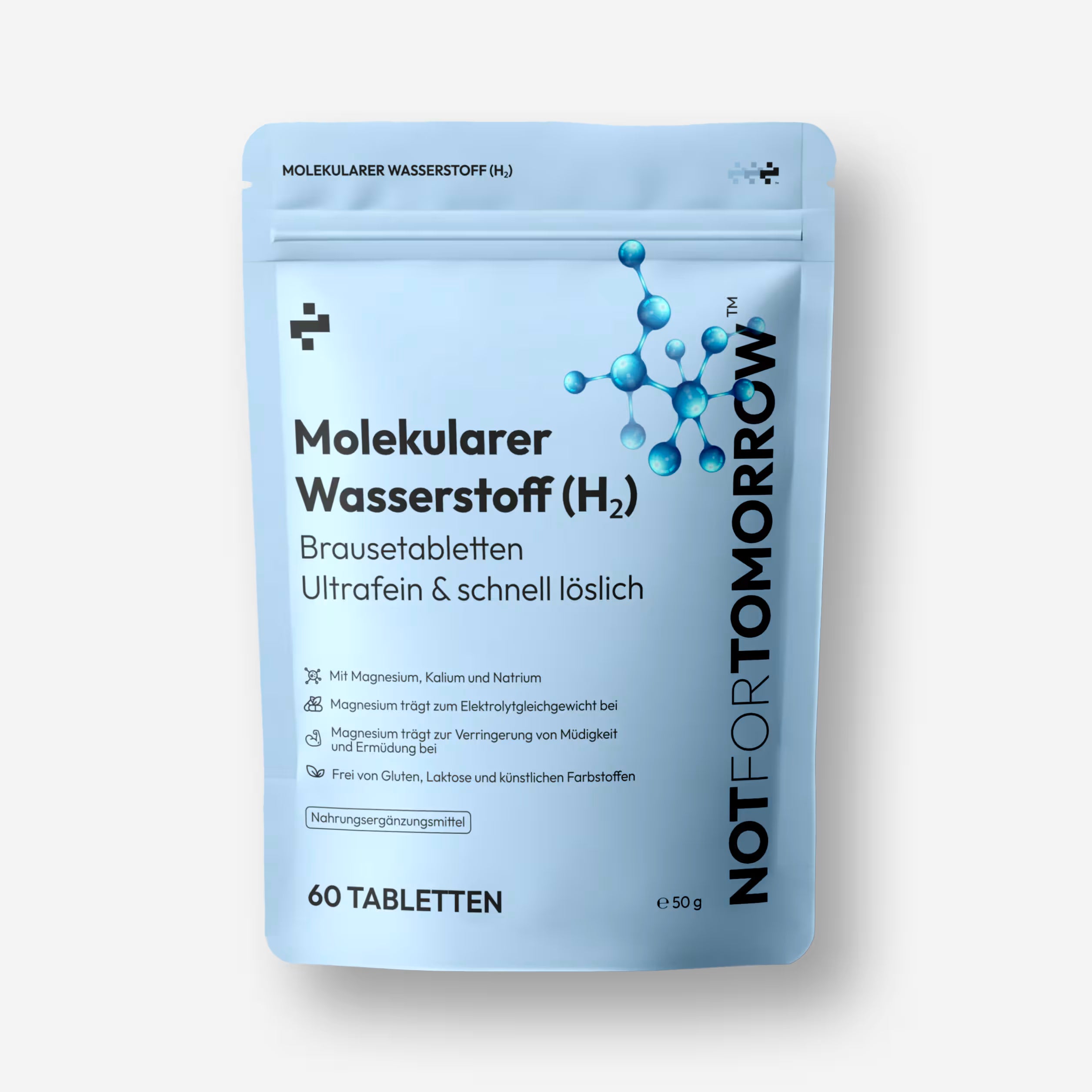
- Consume hydrogen water (1-2 grams hydrogen tablets dissolved in water) immediately after cold immersion ends (within 5 minutes)
- Dissolve tablet, wait 2 minutes for saturation, consume within 10 minutes (hydrogen volatilizes after 15 minutes)
- This timing ensures hydrogen is present when post-immersion oxidative stress peaks (during rewarming vasodilation)
Complementary support:
- Adequate sleep (8-9 hours) to support recovery signaling
- Reduce other physiological stressors on cold exposure days (psychological stress, other intense exercise)
- Consider additional antioxidant support only from dietary sources (polyphenols from berries, dark chocolate, tea)âavoid high-dose antioxidant supplements which blunt adaptation
- Magnesium supplementation supports recovery (cold exposure depletes magnesium); multi-form magnesium (300-400 mg evening dosing) supports post-cold recovery
Duration and assessment:
- Use protocol consistently for 4 weeks to assess benefit
- Measure outcomes: DOMS severity at 24-48 hours, strength recovery speed, overall training adaptability
- If soreness is dramatically reduced but you feel you're not getting stronger, reduce cold exposure frequency (cold-expose 1x weekly instead of 3x) to preserve adaptive stimulus
- If minimal improvement by week 4, increase cold exposure duration (to 15 minutes) or decrease temperature (to 10°C) for more stimulus
Why Cold Exposure Is Trending (And Actually Works)
Cold exposure is trending because it produces measurable recovery benefits (lower DOMS, faster strength recovery) without requiring drugs, and because it's compatible with high training volumeâunlike passive recovery, cold exposure works even when training is intense. The adoption pattern:
- Elite athletes first: CrossFit athletes, rugby teams, and powerlifters adopted cold exposure specifically for recovery from high-frequency training. A 2019 survey of Division 1 football teams found 68% used post-practice cold immersion.
- Military adoption: Special forces training (Navy SEAL training, Army Ranger school) incorporates extreme cold exposureâand recovered operators report faster recovery from intense training.
- Biohacking communities: Wim Hof breathing + cold exposure protocols popularized cold immersion beyond athletic circles into general fitness and "optimization" communities.
- Science validation: As meta-analyses and mechanisms were published (2018-2020), cold exposure went from fringe practice to evidence-based recovery tool.
The trend combines novelty appeal (it's intense, you feel tough), genuine efficacy (it works for recovery), and low barrier to entry (ice bath is cheap). Add molecular hydrogen and you move from "good recovery tool" to "optimized recovery tool that doesn't sacrifice adaptation."
FAQ: Cold Exposure, Hydrogen, and Recovery
How does cold exposure improve recovery?
Cold triggers oxidative and metabolic stress (hormesis), your body adapts by upregulating antioxidant enzymes and mitochondrial efficiency, and this adaptation improves future recovery capacity. Additionally, cold acutely suppresses inflammation (TNF-α, IL-6, CRP reduction 20-35%), reducing soreness immediately post-exposure. The combination of acute inflammation reduction + long-term adaptation improvement produces 30-40% reduction in DOMS and 15-25% faster strength recovery.
Does cold exposure blunt muscle growth if I'm trying to build muscle?
Potentially, if used immediately post-strength training every day. Cold immersion may slightly reduce muscle protein synthesis for 24 hours post-exposure. Strategic use (2-3x weekly post-hardest sessions) preserves most adaptive benefit while minimizing blunting of growth. If muscle building is the primary goal, limit cold exposure to 2x per week maximum and never on back-to-back training days.
Why combine hydrogen with cold exposure specifically?
Because cold exposure produces controlled oxidative stress meant to trigger adaptation, but excessive oxidative stress can damage cells instead of triggering adaptation. Hydrogen selectively suppresses the most damaging ROS (hydroxyl radicals, peroxynitrite) while preserving beneficial ROS (hydrogen peroxide, superoxide) that trigger adaptation signals. This optimizes hormesisâyou get all the recovery benefit without the oxidative damage that could blunt long-term adaptation.
Is hydrogen water necessary for cold exposure benefits?
No, cold exposure alone produces benefits. But hydrogen amplifies recovery benefit (28% better in studies) and removes the ceiling imposed by excessive oxidative stress. If you're doing high-frequency training or cold-exposing frequently (>2x weekly), hydrogen significantly improves the risk-benefit ratio by preserving adaptation while reducing damage.
How long should cold exposure sessions be?
Optimal range is 11-15 minutes at 10-15°C. Shorter durations (<5 minutes) provide minimal stimulus. Longer durations (>20 minutes) produce excessive oxidative stress that can impair recovery. Very cold temperatures (<5°C) with extended duration create excessive stress. The hormetic sweet spot is moderate stress (11-15 minutes, 10-15°C), not maximal stress.
Cold Exposure as Strategic Recovery: Final Implementation
Cold exposure + molecular hydrogen represents genuine optimization of recovery without pharmaceutical interventionâa combination that elite athletes now use as standard practice because it works, it's measurable, and it doesn't require guessing. The practical action:
Perform cold water immersion (10-15°C, 15 minutes) 2-3x weekly post-intense training sessions. Within 5 minutes of exiting, consume molecular hydrogen water (hydrogen tablet dissolved in water). Combine with basic recovery (sleep 8-9 hours, stress management, magnesium supplementation). By week 2-3, you'll notice DOMS is dramatically reduced, recovery speed is faster, and you tolerate high training volume better. By week 4, the adaptation is measurable: better sustained performance in training, faster return to baseline strength after intense sessions.
This isn't trendy for the sake of trend. This is evidence-based recovery optimization that actually works when protocol is precise. Cold isn't the answer; cold + hydrogen protocol is the answer. The science backs it, the athletes delivering results use it, and the mechanism explains why it works better than alternatives.