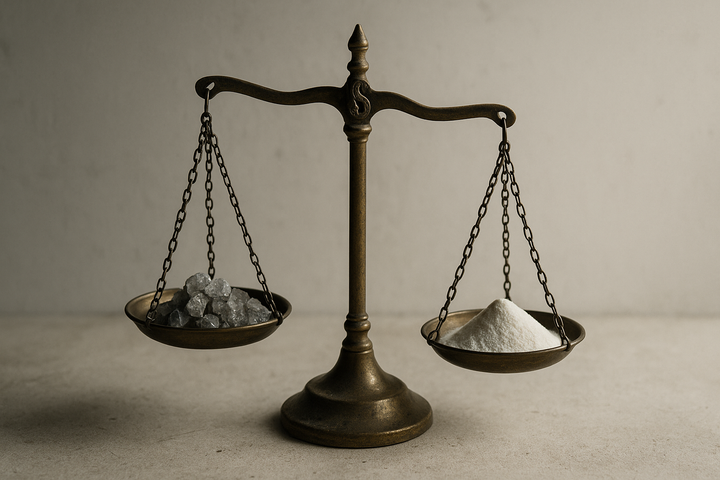
Single ingredient sleep supplements are losing to stacks, and the research shows why. Magnesium alone helps. Glycine alone helps. L theanine alone helps. The three combined target different mechanisms of sleep onset, sleep depth, and overnight recovery, and the evidence base for stacking them is now strong enough to retire most single ingredient pills.
This is a science first guide to the three molecule sleep stack: what each one does at the neurochemistry level, when to take them, what dose the research uses, and how to layer them with the rest of your daily supplement protocol without overlap.
Why Sleep Is A Stacked Problem
Sleep is not one process. Falling asleep, staying asleep, reaching deep slow wave sleep, and waking refreshed are different physiological events with different neurochemistry. Sleep onset depends mostly on shutting down the sympathetic nervous system. Sleep maintenance depends on stable GABA tone and a calm cortisol curve. Deep sleep depth depends on magnesium dependent calcium channel regulation and adequate body cooling.
A single ingredient that targets one of these mechanisms will help some people some of the time. A stack that touches three mechanisms covers more of the population and more of the night. This is the design logic behind sleep stacks used by clinicians and biohackers in 2026: pick non overlapping mechanisms, dose them appropriately, time them correctly.
Magnesium: The Mineral Lever On Deep Sleep
Magnesium is the most studied of the three. It acts at multiple sites relevant to sleep: it antagonises NMDA receptors that drive arousal, it potentiates GABA receptors that drive calm, and it regulates calcium channels in muscle cells which keeps the body relaxed.
A 2012 randomised trial in the Journal of Research in Medical Sciences reported that 500 milligrams of elemental magnesium per day for eight weeks improved subjective sleep quality, sleep latency, and morning cortisol in older adults with insomnia. A 2022 systematic review in Sleep concluded that magnesium supplementation produced modest improvements in self reported sleep quality across multiple trials.
Form matters. Magnesium oxide and citrate are poorly absorbed for sleep purposes, although citrate works for constipation. Glycinate, malate, threonate, and taurate cross into the central nervous system more effectively. A multi form product covers the bases at once. Magnesium 7-in-1 includes glycinate alongside other absorbable forms specifically for evening use.
Glycine: The Underrated Amino Acid
Glycine is the simplest amino acid and a major inhibitory neurotransmitter in the spinal cord and brainstem. Beyond its neurotransmitter role, glycine causes a measurable drop in core body temperature when taken before bed, which is one of the strongest physiological cues for sleep onset.
A 2007 trial by Yamadera and colleagues published in Sleep and Biological Rhythms gave 3 grams of glycine 60 minutes before bed to mildly sleep restricted volunteers. The result: faster sleep onset, less self reported fatigue the next day, and better sustained attention. A 2012 follow up using EEG confirmed that glycine increased the percentage of slow wave sleep early in the night.
The mechanism appears to be vasodilation in surface blood vessels driven by NMDA receptor activity in the hypothalamic suprachiasmatic nucleus. This dumps body heat, which the body interprets as a sleep signal. Three grams is the validated dose. Higher doses do not appear to add benefit and may cause stomach upset.
L Theanine: The GABAergic Quieter
L theanine is an amino acid found in green tea. Unlike glycine and magnesium, it does not produce sedation. It produces a state of relaxed alertness by increasing alpha brain wave activity, modulating GABA, dopamine, and serotonin, and blunting the cortisol rise from stress.
A 2016 trial in Pharmacological Research showed that 200 milligrams of L theanine improved subjective sleep quality and reduced sleep onset latency in stressed adults. A 2019 study in Nutrients found that 200 milligrams reduced perceived stress and improved cognitive function while supporting smoother sleep onset.
L theanine is the bridge component of the stack. It calms the sympathetic activation that prevents sleep onset without forcing sedation. The validated dose for sleep is 100 to 200 milligrams in the evening. It is often the most useful component for people who lie in bed mentally replaying the day.
How The Three Combine
The three ingredients target different sleep mechanisms with minimal overlap:
Magnesium: regulates GABA and NMDA tone, supports deep slow wave sleep and muscle relaxation, evening peak.
Glycine: drops core body temperature, supports sleep onset, increases early night slow wave sleep, 60 minute pre bed peak.
L theanine: calms sympathetic over activity and stress driven rumination, reduces sleep onset latency, evening to pre bed window.
Each addresses a different limiting factor for a different sleep phenotype. People who lie awake replaying conversations benefit most from L theanine. People who feel hot and restless benefit most from glycine. People who wake at 3 am or have restless muscles benefit most from magnesium. Most adults have a mix of these issues, which is why the stack outperforms single ingredients in real world use.
Dosing And Timing: The Practical Protocol
The evidence supports the following protocol for adults without diagnosed sleep disorders.
90 minutes before sleep: 200 milligrams L theanine with the evening meal or a light snack. This lets the alpha wave shift settle in by the time you reach the bedroom.
60 minutes before sleep: 3 grams glycine in water. The temperature drop effect peaks around the time you climb into bed.
30 minutes before sleep: 200 to 400 milligrams elemental magnesium from a glycinate or multi form product. This is also when a magnesium drink is most effective for muscle relaxation.
You can take all three together 30 to 60 minutes before bed if you prefer simplicity. The staggered protocol is the research aligned ideal, but the simplified version still captures most of the benefit.
What The Sleep Stack Does Not Do
The stack supports natural sleep. It does not knock you out the way prescription sedatives do. If you take it expecting to feel drowsy within 20 minutes, you may be disappointed. The right outcome is that you fall asleep faster than usual, sleep more continuously, and wake feeling more recovered. This is subtle, not dramatic.
The stack does not fix sleep apnea, restless leg syndrome, severe anxiety, depression with insomnia, or shift work circadian disruption on its own. These need professional assessment. If your sleep issues are severe or persistent, talk to a doctor before relying on a supplement protocol.
The stack also does not work if your sleep hygiene is broken. No supplement will fix scrolling a screen until 1 am, drinking espresso at 8 pm, or sleeping in a room above 22 degrees Celsius. The supplements support a well behaved circadian system. They do not override a self sabotaging one.
The Daytime Foundation That Makes The Stack Work
Evening supplements work better when the day is structured for sleep. Morning sunlight exposure within 30 minutes of waking calibrates the circadian clock. Caffeine before noon respects the 6 hour half life of caffeine and keeps adenosine pressure intact for evening sleep drive. Heavy exercise should end at least three hours before bed. Last meal at least two hours before bed.
For people working high cognitive loads, daytime stress drives evening sleep difficulty. A calm work day produces a calmer night. A B vitamin complex and a nootropic stack like FocusFuel during the work day can reduce the cortisol spike that haunts sleep, which means the evening stack has less to fix.
If you want a complete protocol that pairs daytime energy with evening recovery, the Build Your Bundle tool lets you assemble both halves of the day around your specific schedule.
Safety And Who Should Be Cautious
Glycine, L theanine, and magnesium have well established safety profiles at the doses described. Side effects are rare. Magnesium can cause loose stools at high doses, which is why glycinate and threonate are preferred for sleep (they are gentle on the gut). L theanine can cause mild headache in a small minority. Glycine is generally without notable side effects in healthy adults.
People with kidney disease should not take magnesium without medical supervision. Pregnant or breastfeeding readers should consult a clinician before adding any supplement. People on prescription medication for sleep, anxiety, or blood pressure should also check for interactions.
Stop the stack and consult a doctor if sleep issues worsen rather than improve over four weeks. Persistent insomnia is a clinical issue, not a supplement question.
Frequently Asked Questions
Is the magnesium glycine L theanine sleep stack better than melatonin?
For most adults, research suggests the three ingredient stack supports more aspects of sleep (onset, depth, continuity) than melatonin, which mainly addresses sleep timing. Melatonin is best for jet lag and circadian shift, while the stack is better suited to general sleep quality concerns.
How long until the sleep stack starts working?
Acute effects on sleep onset and depth can appear within the first few nights, particularly from glycine and L theanine. Magnesium related improvements often build over two to four weeks as tissue stores adjust. Judge effects after four weeks of consistent use.
What dose of each ingredient should I take?
Research supports 3 grams of glycine, 200 milligrams of L theanine, and 200 to 400 milligrams of elemental magnesium from a well absorbed form like glycinate, threonate, or a multi form blend. Higher doses do not consistently improve results.
Can I take all three ingredients at the same time?
Yes. Taking all three 30 to 60 minutes before bed captures most of the benefit. The staggered timing in the research protocol (L theanine 90 minutes, glycine 60 minutes, magnesium 30 minutes before bed) is the optimised version. Both work.
Will the sleep stack make me groggy in the morning?
Research suggests grogginess is uncommon. Unlike prescription sleep medication, these ingredients support natural sleep architecture rather than overriding it. If you wake groggy, lower the magnesium dose first.
Can I combine the sleep stack with caffeine the next morning?
Yes. The three ingredients are out of your system by morning. Caffeine in the morning does not interfere with their action the previous night, and they do not interfere with caffeine the next day.
Is glycine safe to take every night?
Research suggests 3 grams of glycine nightly is well tolerated in healthy adults across studies of several weeks duration. Long term daily use beyond this has not been studied extensively, so cycling (5 nights on, 2 off) is a reasonable conservative approach if you prefer caution.
The Bottom Line
One supplement targets one mechanism. A real sleep protocol targets three. Magnesium for depth, glycine for onset and temperature drop, L theanine for mental quieting. Each is evidence backed, each is well tolerated, and the combination outperforms single ingredient pills for most adults.
Start with the protocol consistently for four weeks. Pair it with morning sunlight, an early caffeine cutoff, and a cooler bedroom. Most people see clear improvements without needing to escalate to prescription options.