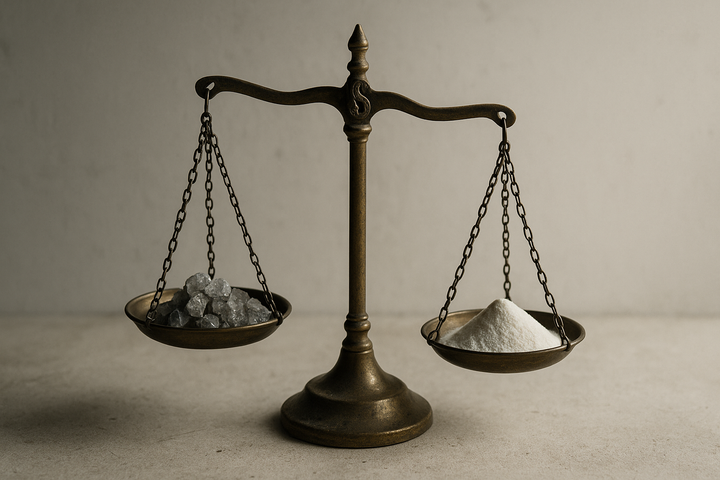
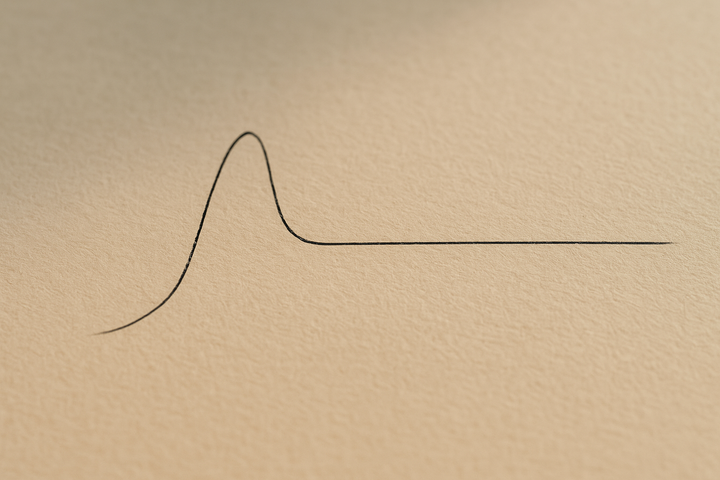
Stress is not the problem. Dysregulated cortisol is. A healthy cortisol curve climbs sharply in the morning, falls steadily through the day, and bottoms out at night. Chronic stress flattens this curve, leaves you tired in the morning and wired at night, and slowly erodes immune function, body composition, and mental performance. The good news: cortisol is one of the most measurable and modifiable systems in human physiology.
This guide breaks down what cortisol actually does, how chronic stress changes it, which adaptogens and minerals the research supports, and how to build a daily protocol that restores a healthy curve without resorting to prescription anxiolytics.
What A Healthy Cortisol Curve Looks Like
Cortisol is your primary glucocorticoid, released by the adrenal cortex in response to signals from the hypothalamic pituitary adrenal axis. In a healthy adult, cortisol peaks within 30 to 45 minutes of waking (the cortisol awakening response), falls steadily through the day, and reaches its lowest point in the first half of the night.
A 2009 review in Psychoneuroendocrinology established the cortisol awakening response as a stable, measurable biomarker. A blunted morning peak correlates with chronic fatigue, depression, and metabolic dysfunction. An elevated evening cortisol correlates with insomnia, abdominal fat accumulation, and impaired glucose tolerance.
The goal of a stress management protocol is not to suppress cortisol. Cortisol is essential for waking up, mobilising energy, regulating inflammation, and surviving acute challenges. The goal is to restore the curve.
How Chronic Stress Breaks The System
Acute stress is healthy. Chronic stress is not. When stress is sustained for weeks or months, three things happen at the HPA axis level. First, the morning cortisol response can either spike (early stage) or blunt (late stage). Second, the evening drop fails, leaving cortisol elevated when it should be low. Third, downstream receptor sensitivity changes, which means the same dose of cortisol produces different effects.
A 2017 review in Frontiers in Behavioral Neuroscience described how repeated allostatic load shifts the HPA axis from acute response mode into a chronically elevated baseline. This shift correlates with insomnia, irritability, weight gain around the midsection, and slower recovery from exercise.
Common drivers of HPA dysregulation: chronic under sleep, high caffeine intake (especially after 2 pm), psychological strain without recovery windows, restrictive dieting, inflammation from poor diet quality, and over training.
Magnesium: The First Lever On The HPA Axis
Magnesium status directly affects cortisol regulation. A 2012 review in Nutritional Neuroscience reported that magnesium deficiency increases adrenal corticotropin sensitivity and amplifies the cortisol response to stressors. Restoring magnesium lowers reactive cortisol release without suppressing the natural curve.
The mechanism involves NMDA receptor antagonism in the central nervous system and modulation of GABA tone, both of which calm the sympathetic activation that drives HPA axis output. Magnesium is the inexpensive, well evidenced foundation of any stress protocol.
Forms that cross the blood brain barrier (glycinate, threonate, malate) are preferred for stress and sleep applications. Magnesium 7-in-1 includes glycinate alongside other forms for evening use, which is when cortisol modulation matters most for sleep continuity.
Adaptogens: Shilajit, Ashwagandha, And The Evidence Base
The word "adaptogen" gets misused. The defensible scientific use is: a compound that helps the organism return to homeostasis after a stress event without overshooting or undershooting. Few compounds clear this bar with strong evidence. Shilajit and ashwagandha are among them.
Shilajit is a mineral pitch resin used in traditional Ayurvedic medicine. A 2016 trial in Andrologia reported that 250 milligrams of purified shilajit twice daily for 90 days reduced perceived stress and supported healthy cortisol patterns in healthy adult men. Shilajit also provides fulvic acid and trace minerals that support mitochondrial function, which is the cellular substrate for stress resilience.
Ashwagandha (not currently in the NOTFORTOMORROW catalog) has the largest evidence base among adaptogens, with multiple trials showing reduced cortisol, reduced perceived stress, and improved sleep at 300 to 600 milligrams per day of standardised extract.
If you are looking at the catalog, Shilajit Resin provides the resin form rather than processed capsules, which preserves the fulvic and humic acid content that drives much of the mineral and mitochondrial benefit.
B Vitamins: The Underrated Stress Nutrient
B vitamins are cofactors in neurotransmitter synthesis and stress hormone metabolism. Pantothenic acid (B5) directly supports adrenal cortex function. B6 and B12 are required for serotonin and dopamine synthesis. Folate supports methylation, which regulates how the body deactivates excess cortisol.
Stress increases the body's demand for B vitamins. A 2019 review in Nutrients reported that supplementation with a complete B complex reduced subjective stress and improved mood in healthy adults over 12 weeks. The benefit was strongest in people with elevated baseline stress and suboptimal dietary intake. A separate 2020 trial in Human Psychopharmacology found that working adults under sustained workplace pressure showed measurable improvements in mood and energy ratings within 28 days of consistent B complex supplementation.
Methylated forms (methylfolate, methylcobalamin, P5P for B6) bypass the genetic variation that prevents about 40% of the population from efficiently activating standard cyanocobalamin and folic acid. People who carry MTHFR variants often supplement with standard B vitamins for years without ever absorbing the active forms their cells actually use. Bioactive Vitamin B Complex uses the methylated forms specifically for this reason, removing one common reason a stress protocol fails to deliver on paper.
FocusFuel And Daytime Cognitive Support
Stress driven cognitive fog is one of the most disruptive symptoms of chronic HPA activation. Trying to do demanding work with elevated cortisol and depleted neurotransmitters is like driving a car with the parking brake on. The brain compensates with caffeine, which works in the short term but adds further cortisol load.
Strategic nootropic support can break this cycle. Ingredients like L theanine, choline donors, and rhodiola support neurotransmitter balance and stress modulation without spiking cortisol. FocusFuel is built around this stack logic, offering cognitive support that does not borrow from tomorrow's energy budget.
Used in the morning or early afternoon, a non stimulant cognitive supplement reduces the perceived need for extra caffeine, which in turn supports better evening cortisol regulation. This is a small chain with a meaningful effect over weeks.
The Daily Cortisol Protocol
The following protocol is the practical synthesis of the research, designed for adults dealing with chronic stress but without diagnosed adrenal disease.
Morning (within 30 minutes of waking):
Bright natural light exposure for 10 minutes. This calibrates the cortisol awakening response and the circadian rhythm. Then 250 to 500 milligrams shilajit resin in warm water, followed by 500 millilitres of mineral water. Coffee can wait 60 to 90 minutes (which protects adenosine signalling and avoids piggybacking caffeine on the natural cortisol peak).
Late morning:
A complete bioactive B vitamin complex with food. Optional cognitive support for demanding work sessions.
Afternoon (caffeine cutoff at 2 pm):
Hydration consistent, last coffee no later than 2 pm. Brief movement breaks every 90 minutes reduce sympathetic build up.
Evening (90 minutes before sleep):
200 to 400 milligrams elemental magnesium from a glycinate or multi form blend. Optional 200 milligrams L theanine if mind racing is the main sleep barrier.
Sleep window of at least 7 hours. This is non negotiable. Without sleep, no supplement protocol restores the cortisol curve.
Hydration, Minerals, And The Quiet Stress Multiplier
Dehydration is a stress amplifier most protocols ignore. A 2012 study in the Journal of Nutrition reported that even mild dehydration (1 to 2 percent body mass loss) measurably increased cortisol, raised perceived task difficulty, and reduced concentration in healthy adults. The mechanism is straightforward: reduced plasma volume signals the HPA axis as a threat, and the system responds by mobilising glucocorticoids.
The practical fix is consistent mineral supported hydration through the day, not a forced bolus at 8 am. Carrying a vessel that prompts steady intake and keeps water at the right temperature removes a friction point. The behavioural side of stress protocols matters as much as the molecules, and water you actually drink beats water you mean to drink.
What This Protocol Does Not Replace
Supplements modulate stress physiology. They do not replace addressing the stressor. If the source of chronic stress is a workload, a relationship, or an underlying health condition, the protocol buys you bandwidth to address the root cause. It does not erase the cause.
The protocol also does not replace medical care for diagnosed disorders. Addison's disease, Cushing's syndrome, severe depression, generalised anxiety disorder, and post traumatic stress are clinical conditions that need clinical management. If symptoms are severe or persistent, talk to a doctor.
If you are pregnant, breastfeeding, on prescription medication, or have known endocrine or kidney conditions, consult a physician before starting any new supplement.
Frequently Asked Questions
Does shilajit actually lower cortisol?
Research suggests that purified shilajit, taken at 250 milligrams twice daily for 90 days, supports healthy cortisol patterns and reduces perceived stress in healthy adult men. The 2016 Andrologia study is the most commonly cited evidence. Results in women and across different stress phenotypes are less studied.
How long does it take to fix a broken cortisol curve?
Most people see measurable improvements within four to six weeks of consistent protocol adherence. Severely dysregulated curves may take three months or longer to normalise. Sleep quality and energy patterns usually shift first; deeper biomarker changes follow.
Should I get my cortisol tested before starting?
For most people, testing is optional. A subjective symptom assessment (morning fatigue, evening alertness, energy crashes, sleep onset issues) is usually sufficient. If symptoms are severe or you have other endocrine concerns, a four point salivary cortisol test ordered through a doctor or qualified clinician gives an objective baseline.
Can I take magnesium and shilajit together?
Yes. They work through different mechanisms and are commonly stacked. Magnesium is best taken in the evening for cortisol and sleep purposes. Shilajit is best taken in the morning or early afternoon to align with its mineral and energy supporting effects.
Will the stress protocol make me less motivated?
Research suggests that restoring a healthy cortisol curve typically improves motivation rather than reducing it. Chronic high cortisol drives the foggy and emotionally flat state that often looks like low motivation. Restoration tends to recover both drive and steadiness.
Is it safe to use adaptogens long term?
Shilajit and ashwagandha have been used in traditional medicine for centuries and have been studied for daily use across several months in modern trials. Some practitioners cycle adaptogens (8 weeks on, 2 weeks off) as a conservative approach. Talk to a doctor for long term use if you have any underlying conditions.
Does this protocol help with anxiety as well as stress?
Research suggests the underlying mechanisms (HPA axis regulation, GABA support, neurotransmitter precursor availability) are shared between stress reactivity and mild anxiety symptoms. For diagnosed anxiety disorders, the protocol is supportive rather than primary. Professional care should lead.
The Bottom Line
Stress is not the enemy. A broken cortisol curve is. Restore the morning peak with light and shilajit. Protect the daily slope with B vitamins, sleep, and a caffeine cutoff. Support the evening drop with magnesium and L theanine. The protocol is unglamorous, but it is the only one with consistent research support and decades of clinical use behind it.
Run it for at least eight weeks consistently before judging. Sleep will improve first. Energy follows. Body composition and mood track on a slower timeline. Persistence beats intensity.