Lyhyesti. C-vitamiini on välttämätön, vesiliukoinen ravintoaine, jota elimistö ei pysty valmistamaan eikä varastoimaan, joten säännöllinen saanti on tärkeää. C-vitamiini edistää immuunijärjestelmän normaalia toimintaa. C-vitamiini edistää solujen suojaamista hapettumisstressiltä. C-vitamiini auttaa vähentämään väsymystä ja uupumusta. C-vitamiini lisää raudan imeytymistä. Muoto, kuten askorbiinihappo, puskuroitu askorbaatti tai liposomaalinen, muuttaa ennen kaikkea happamuutta, sietokykyä ja kätevyyttä, ei sitä mitä C-vitamiini tekee elimistössä. Tämä on tietoa, ei lääketieteellistä neuvontaa.
Mitä C-vitamiini on ja miksi sitä aliarvioidaan?
C-vitamiini, jota kutsutaan myös askorbiinihapoksi, on välttämätön ravintoaine, jota ihmiskeho ei pysty itse valmistamaan. Se on vesiliukoinen, mikä tarkoittaa, että se liukenee veteen sen sijaan että varastoituisi rasvaan, joten elimistö pitää vain pienen varannon ja ylimäärä poistuu virtsan mukana. Koska sitä on niin yleisesti ruoassa ja ravintolisissä, se otetaan usein itsestäänselvyytenä, vaikka sen rooli on laaja ja hyvin osoitettu.
Nämä ovat C-vitamiinin vaikutukset, jotka EU:n lainsäädäntö tunnustaa. C-vitamiini edistää immuunijärjestelmän normaalia toimintaa, normaalia energia-aineenvaihduntaa, hermoston normaalia toimintaa, normaalia psykologista toimintaa, solujen suojaamista hapettumisstressiltä ja väsymyksen ja uupumuksen vähenemistä. C-vitamiini edistää normaalia kollageenin muodostumista verisuonten normaalia toimintaa varten, normaalia kollageenin muodostumista luuston normaalia toimintaa varten, normaalia kollageenin muodostumista ruston normaalia toimintaa varten, normaalia kollageenin muodostumista ikenien normaalia toimintaa varten, normaalia kollageenin muodostumista ihon normaalia toimintaa varten ja normaalia kollageenin muodostumista hampaiden normaalia toimintaa varten. C-vitamiini edistää E-vitamiinin palautumista pelkistyneeseen muotoon. C-vitamiini lisää raudan imeytymistä.
Miten elimistö käyttää C-vitamiinia?
Koska C-vitamiini on vesiliukoinen, elimistö ei kerää siitä suurta varastoa. Ruoasta ja ravintolisistä saatava saanti imeytyy suolessa, sitä käytetään monissa kudoksissa, ja se mitä ei tarvita poistuu munuaisten kautta. Siksi tasainen päivittäinen saanti merkitsee enemmän kuin yksittäinen suuri määrä: elimistö käyttää tarvitsemansa ja poistaa loput. Se tarkoittaa myös, että C-vitamiini ymmärretään parhaiten osana monipuolista ruokavaliota eikä jonakin, jonka elimistö säästää myöhemmäksi.
Mitkä ovat C-vitamiinin tärkeimmät muodot?
Kaikki muodot tuottavat saman C-vitamiinin; ne eroavat ennen kaikkea happamuudessa, sietokyvyssä ja kätevyydessä. Alla oleva yhteenveto on tiedoksi.
| Muoto | Mikä se on | Yleinen piirre (tiedoksi) |
|---|---|---|
| Askorbiinihappo | Puhdas, luonnostaan hapan muoto | Vertailumuoto, hyvin tutkittu, lievästi hapan maku |
| Puskuroitu askorbaatti (mineraaliaskorbaatti) | Askorbiinihappo sidottuna mineraaliin kuten natriumiin tai kalsiumiin | Vähemmän hapan, usein valittu kun puhdas happo tuntuu pistävältä |
| Esterimuoto (askorbyyli) | Askorbiinihappo muunnettuna vähemmän happamaksi yhdisteeksi | Markkinoidaan hellävaraisena, näyttö lisähyödystä on vaihtelevaa |
| Liposomaalinen C-vitamiini | Askorbiinihappo suljettuna pieniin rasvapohjaisiin palloihin | Markkinoidaan imeytymisen ja siedettävyyden vuoksi, tutkimus on yhä kehittymässä |
Mikään yksittäinen muoto ei ole paras kaikissa tilanteissa. Sopiva muoto riippuu mausta, sietokyvystä ja henkilökohtaisesta mieltymyksestä, koska taustalla oleva ravintoaine on sama.
Karkit, tabletit vai jauhe: miten muodot vertautuvat?
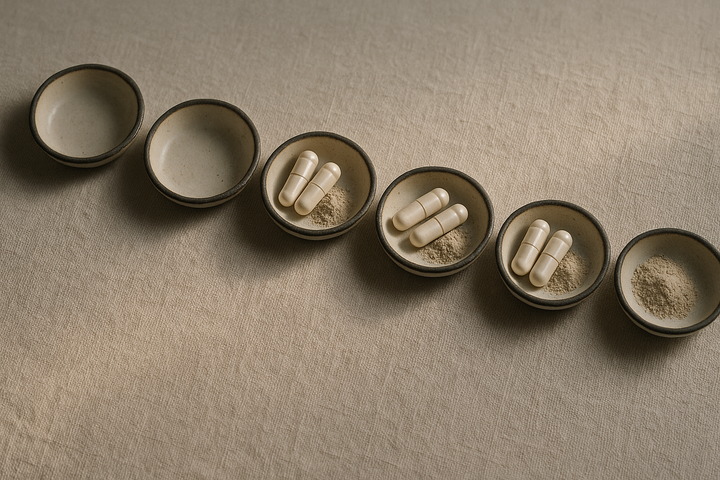
Kemiallisen muodon lisäksi C-vitamiinia on eri olomuodoissa, ja valinta koskee ennen kaikkea kätevyyttä ja sitä miten mukavaa sitä on ottaa päivittäin. Karkit ovat helppoja ja miellyttäviä ottaa, mikä voi auttaa säännöllisyyttä, vaikka ne voivat sisältää lisättyä sokeria tai makeutusaineita ja niiden määrä kappaletta kohden on rajallinen. Tabletit ja kapselit ovat pieniä ja helppoja kuljettaa, ja ne ovat tavallinen tapa ottaa C-vitamiinia. Jauhe liukenee veteen, antaa säätää määrää ja valitaan usein joustavuuden vuoksi, vaikka se vaatii valmistelua. Olomuoto muuttaa kokemusta ja kätevyyttä, ei sitä mitä C-vitamiini tekee elimistössä.
Miltä laatu näyttää C-vitamiinilisässä?
- Selkeä merkintä. Hyvä pakkausmerkintä ilmoittaa käytetyn C-vitamiinin muodon ja määrän annosta kohden, jotta tiedät tarkalleen mitä otat.
- Rehelliset olomuotovalinnat. Karkeissa lisätyn sokerin tai makeutusaineiden tulee näkyä selvästi; jauheessa annostelun tulee olla helppo mitata.
- Läpinäkyvyys liioittelun sijaan. Väitteiden tulee pysyä sallitun rajoissa lupaamatta suojaa sairaudelta.
- Järkevä saanti. Pysy suositellussa annoksessa ja noudata pakkausmerkintää ja paikallisia suosituksia sen sijaan että ottaisit enemmän ilman syytä.
Onko C-vitamiini turvallista?
Ruoasta ja ravintolisistä saatava C-vitamiini on yleensä terveiden aikuisten hyvin siedetty tavanomaisilla saanneilla, ja koska se on vesiliukoinen, elimistö poistaa sen mitä se ei käytä. Suuremmilla ravintolisistä saatavilla saanneilla useimmin kuvatut vaikutukset ovat ruoansulatuskanavasta, kuten lievä suolta lauhduttava vaikutus, löysät ulosteet tai vatsavaivat, jotka yleensä helpottavat kun saantia vähennetään. Viranomaiset asettavat ravintolisistä saatavan päivittäisen saannin ylärajan yleiseksi ohjeeksi, ja suositellussa annoksessa pysyminen on järkevää. Henkilöiden, joilla on munuaissairaus, jotka ovat alttiita tietyille munuaiskiville, ja kenen tahansa, jolla on raudan kertymähäiriö, tulee olla varovaisia, koska C-vitamiini lisää raudan imeytymistä. Jos olet raskaana tai imetät, käytät lääkkeitä tai sinulla on sairaus, keskustele ensin lääkärin tai apteekin kanssa. Ravintolisät eivät korvaa monipuolista ruokavaliota eivätkä lääketieteellistä hoitoa.
Usein kysytyt kysymykset
Mikä C-vitamiinin muoto on paras?
Ei ole yhtä parasta muotoa, koska jokainen muoto tuottaa saman C-vitamiinin. Askorbiinihappo on hyvin tutkittu vertailumuoto, kun taas puskuroidut ja esterimuodot ovat vähemmän happamia ja voivat sopia niille, joille puhdas happo tuntuu pistävältä. Liposomaalisia versioita markkinoidaan imeytymisen vuoksi, mutta tutkimus on yhä kehittymässä. Oikea valinta riippuu mausta, sietokyvystä ja mieltymyksestä.
Ovatko C-vitamiinikarkit yhtä hyviä kuin tabletit?
Karkit ja tabletit tuottavat molemmat C-vitamiinia, ja tärkein ero on kokemus. Karkit ovat helppoja ja miellyttäviä ottaa, mikä voi auttaa säännöllisyyttä, mutta ne voivat sisältää lisättyä sokeria tai makeutusaineita. Tabletit ovat pieniä ja sisältävät usein enemmän kappaletta kohden. Olomuoto on kätevyyskysymys, ei kysymys siitä mitä vitamiini tekee.
Voiko C-vitamiinia ottaa liikaa?
Koska C-vitamiini on vesiliukoinen, elimistö poistaa sen mitä se ei käytä, mutta hyvin suuret ravintolisistä saatavat saannit voivat aiheuttaa ruoansulatuskanavan vaikutuksia kuten lievän suolta lauhduttavan vaikutuksen tai vatsavaivoja. Viranomaiset asettavat ylärajan yleiseksi ohjeeksi. Suositellussa annoksessa pysyminen auttaa välttämään näitä vaikutuksia.
Mitkä ovat C-vitamiinin hyväksytyt väitteet?
Tämä artikkeli ei esitä tuota väitettä. C-vitamiini edistää immuunijärjestelmän normaalia toimintaa, mikä on sallittu ilmaus ravintoaineesta. Sitä ei esitetä tässä flunssan tai minkään muun sairauden hoitona tai ehkäisynä.
Pitäisikö C-vitamiini ottaa raudan kanssa?
C-vitamiini lisää raudan imeytymistä, mikä on sallittu ilmaus, ja niitä otetaan joskus yhdessä tästä syystä. Henkilöiden, joilla on raudan kertymähäiriö, tulee kuitenkin olla varovaisia. Jos käytät rautaa tai sinulla on siihen liittyvä sairaus, kysy lääkäriltä tai apteekista, mikä sopii tilanteeseesi.
Lähteet
- EU:n rekisteri elintarvikkeita koskevista ravitsemus- ja terveysväitteistä (C-vitamiinin sallitut väitteet). Asetus (EU) N:o 432/2012. ec.europa.eu
- Asetus (EY) N:o 1924/2006 elintarvikkeita koskevista ravitsemus- ja terveysväitteistä.
- EFSA:n dieettituotteita, ravitsemusta ja allergioita käsittelevä lautakunta. Tieteelliset lausunnot C-vitamiinia koskevien terveysväitteiden perustelusta. EFSA Journal.
- EFSA:n dieettituotteita, ravitsemusta ja allergioita käsittelevä lautakunta. Tieteellinen lausunto C-vitamiinin ravitsemuksellisista viitearvoista. EFSA Journal. 2013;11(11):3418.
Kirjoittanut NOTFORTOMORROW Editorial Team. Näin tutkimme: perustamme asiaväitteet EU:n viralliseen väiterekisteriin ja vertaisarvioituihin lähteisiin, mainitsemme lähteemme ja päiväämme arviomme. Tämä artikkeli on tietoa, ei lääketieteellistä neuvontaa; keskustele tilanteestasi pätevän ammattilaisen kanssa. Viimeksi tarkistettu: 2026-06-06.