Fuel for today, bloom for life.
The Climb
Some people stop halfway up the mountain.
Some get comfortable with “almost.”
But not you.
You feel that fire.
You're not broken you're just ready for more.
You just need that extra spark.
NOT FOR TOMORROW
isn't hype.
It's fuel.
Real tools for real growth.So you don't stop.
You rise.
Type:
Methylene Blue 1% Solution (Pharmaceutical Grade)
Always developing, always testing
At NOTFORTOMORROW we never stand still. We are constantly working on new formulas and only expand our range with products that we are truly sure of.
Everything we offer has been extensively tested first by ourselves, then by independent labs.
We want to offer you a lot, but never at the expense of our quality or name.
What you see now is just the beginning there is much more to come.
Want to be the first to know? Sign up for our newsletter and follow us on Instagram!
Stories
Vitamin C Is Wildly Underrated: What the Research Actually Shows About This Essential Nutrient
Vitamin C Is Wildly Underrated: What the Research Actually Shows About This Essential Nutrient Most people think vitamin C is just for colds. They're wrong — and the science has been saying so for decades. Vitamin C (ascorbic acid) is one of the most studied nutrients in human biochemistry, yet its reputation hasn't caught up with the research. While the average person reaches for a vitamin C supplement only when they feel a sniffle coming on, researchers have been documenting its role in everything from collagen synthesis and iron absorption to cortisol regulation and neurotransmitter production. If you're only thinking about vitamin C in terms of immune defense, you're missing at least 80% of the story. Here's what the science actually says — and why this vitamin deserves a permanent spot in your daily routine, not just your medicine cabinet. The Biochemistry of Vitamin C: Far More Than an Antioxidant Vitamin C is a water-soluble vitamin and a powerful electron donor, which is the mechanism behind most of its biological functions. It serves as a cofactor for at least eight enzymatic reactions in the human body, including those involved in collagen synthesis, carnitine production, and the conversion of dopamine to norepinephrine. Humans are among the few mammals that cannot synthesize vitamin C endogenously. A mutation in the L-gulonolactone oxidase (GULO) gene means we lost this ability millions of years ago. Every other mammal — from goats to dogs — produces its own ascorbic acid internally. We have to get it from food or supplementation. Period. The recommended daily allowance (RDA) of 80 mg (EU NRV) was established primarily to prevent scurvy — a deficiency disease. But preventing scurvy and achieving optimal tissue saturation are two very different goals. Research published in the Annals of Nutrition and Metabolism suggests that plasma saturation requires intakes closer to 200 mg per day, and that many individuals — especially smokers, athletes, and those under chronic stress — may need considerably more. Immune Function: The Evidence Goes Deeper Than You Think Yes, vitamin C supports immune function. But the mechanism is far more sophisticated than "boosts your immune system" — a phrase that means almost nothing scientifically. Vitamin C accumulates in immune cells — particularly neutrophils, lymphocytes, and phagocytes — at concentrations 10 to 100 times higher than in plasma. A 2017 review in the journal Nutrients documented that vitamin C contributes to immune defense by supporting the epithelial barrier, enhancing the pathogen-killing capacity of neutrophils, and promoting lymphocyte proliferation and differentiation. During infections and periods of physiological stress, vitamin C levels in the blood drop rapidly, indicating that the body's demand for ascorbic acid increases dramatically under these conditions. A meta-analysis of 29 controlled trials found that regular vitamin C supplementation reduced the duration of colds by 8% in adults, with more pronounced effects in individuals under physical stress — marathon runners, soldiers, and skiers saw reductions of up to 50%. The practical takeaway: consistent daily intake matters more than megadosing when you're already sick. Your immune cells need to be saturated before the challenge arrives. That's why a convenient daily form like NOTFORTOMORROW Vitamin C Gummies makes maintaining consistent intake significantly easier than remembering capsules or powders. Collagen Synthesis: The Structural Foundation of Your Body Collagen is the most abundant protein in the human body, making up roughly 30% of total protein content. It's the structural scaffold of skin, tendons, ligaments, blood vessels, bones, and the gut lining. And vitamin C is essential for its production. Specifically, vitamin C is required as a cofactor for prolyl hydroxylase and lysyl hydroxylase — the two enzymes responsible for stabilizing the collagen triple helix structure. Without adequate vitamin C, your body literally cannot produce functional collagen. This is why scurvy, the extreme deficiency state, manifests as bleeding gums, poor wound healing, and joint pain — all collagen-related failures. Even subclinical deficiency can impair collagen production. A study in the American Journal of Clinical Nutrition found that vitamin C status directly correlates with skin collagen density and wound healing speed. For anyone concerned with skin health, joint integrity, or recovery from injury, vitamin C isn't optional — it's foundational. If you're taking collagen supplements but ignoring vitamin C, you're essentially giving your body raw materials without the tool it needs to assemble them. Iron Absorption: A Critical Partnership Most People Overlook Iron deficiency is the most common nutritional deficiency worldwide, affecting an estimated 1.6 billion people according to the WHO. And vitamin C plays a direct role in how well your body absorbs iron from food and supplements. Non-heme iron — the form found in plant foods and most supplements — has notoriously poor bioavailability, typically between 2-20%. Vitamin C enhances non-heme iron absorption by reducing ferric iron (Fe³⁺) to ferrous iron (Fe²⁺) in the gut, making it significantly more absorbable. Studies have shown that consuming just 100 mg of vitamin C with a meal can increase iron absorption by up to 67%. This is particularly relevant for vegetarians, vegans, women of menstruating age, and endurance athletes — all groups at higher risk of iron depletion. If you're supplementing with iron, pairing it with vitamin C isn't just a nice idea — it's evidence-based practice. Consider combining Vitamin C Gummies with NOTFORTOMORROW Iron Drops for optimized absorption. The liquid iron format already offers superior bioavailability, and adding vitamin C to the equation amplifies that further. Stress, Cortisol, and the Adrenal Connection Here's something most people don't know: the adrenal glands contain one of the highest concentrations of vitamin C in the entire body. This isn't coincidental — vitamin C is directly involved in the synthesis of cortisol, adrenaline, and noradrenaline. During periods of acute stress, the adrenal glands release their stored vitamin C into the bloodstream. Research published in Psychopharmacology demonstrated that supplementation with 1,000 mg of vitamin C reduced cortisol and subjective stress responses in participants subjected to psychological stress tests (the Trier Social Stress Test). Blood pressure responses to stress were also significantly lower in the vitamin C group. Chronic stress depletes vitamin C faster than almost any other condition. If you're dealing with work pressure, sleep disruption, intense training, or emotional strain — your vitamin C requirements are elevated, and your dietary intake may not be keeping up. A 2015 systematic review in the Pakistan Journal of Biological Sciences concluded that vitamin C supplementation can play a supporting role in the management of stress-related physiological responses. This makes vitamin C a surprisingly relevant nutrient for anyone navigating high-demand lifestyles — not just those worried about catching a cold. Cognitive Function and Neurotransmitter Production The brain is a vitamin C-hungry organ. Concentrations of ascorbic acid in the central nervous system are 10 times higher than in the blood, maintained by active transport mechanisms that prioritize brain supply even during deficiency. Vitamin C is a required cofactor for dopamine beta-hydroxylase, the enzyme that converts dopamine into norepinephrine — a neurotransmitter critical for attention, arousal, and mood regulation. It also supports the synthesis of serotonin and contributes to the recycling of tetrahydrobiopterin (BH4), a cofactor needed for producing dopamine and serotonin in the first place. A cross-sectional study published in the Journal of Alzheimer's Disease found that higher plasma vitamin C levels were associated with better cognitive performance in older adults. Research in younger populations similarly suggests that adequate vitamin C status correlates with improved mood, reduced mental fatigue, and sharper cognitive performance. If you're stacking nootropics or cognitive support supplements but neglecting vitamin C, you may be undermining the very biochemical pathways you're trying to optimize. Consider it a foundational nutrient for any cognitive performance protocol — pair it with FocusFuel or Alpha-GPC for a more complete approach to mental clarity. Exercise Recovery and Physical Performance Intense exercise generates reactive oxygen species (ROS) as a natural byproduct of increased metabolic activity. While some ROS signaling is necessary for training adaptations, excessive oxidative stress can contribute to muscle damage, delayed recovery, and immune suppression — a phenomenon well-documented in overtraining research. Vitamin C, as a potent antioxidant, contributes to neutralizing excess ROS and supporting recovery between training sessions. A study in the European Journal of Applied Physiology found that vitamin C supplementation reduced markers of exercise-induced muscle damage (creatine kinase and muscle soreness) following high-intensity exercise. Athletes and regular exercisers have higher vitamin C turnover rates. The increased metabolic demand, combined with sweat losses (yes, vitamin C is lost through sweat), means that active individuals often need more than sedentary people. This is especially true during heavy training blocks, competition phases, or when training in heat. For those who are also supplementing with Creatine Monohydrate or Magnesium 7-in-1 for performance and recovery, adding vitamin C to the mix rounds out a comprehensive approach to training support. How Much Vitamin C Do You Actually Need? The EU Nutrient Reference Value (NRV) for vitamin C is 80 mg — enough to prevent scurvy, but likely insufficient for optimal health in many individuals. Here's a more nuanced perspective based on the research: General health maintenance: 200-500 mg daily appears sufficient for plasma saturation in most healthy adults, based on pharmacokinetic studies published in the Proceedings of the National Academy of Sciences. Active individuals and athletes: 500-1,000 mg daily is commonly used in exercise science research, with the timing around training sessions sometimes recommended for recovery support. High-stress periods or immune challenges: Higher intakes up to 1,000-2,000 mg daily have been used in clinical studies, though the body's absorption efficiency decreases at higher single doses. Splitting intake across the day can help maximize absorption. Smokers: The U.S. Institute of Medicine recommends an additional 35 mg/day for smokers due to increased oxidative stress and faster vitamin C turnover. Because vitamin C is water-soluble, excess amounts are excreted through urine rather than stored, which means consistent daily intake is more effective than sporadic megadosing. This is another reason why a convenient daily format matters — it supports the consistency that the science demands. Food Sources vs. Supplementation: Do You Need Both? Rich dietary sources of vitamin C include bell peppers (especially red), kiwi, strawberries, broccoli, Brussels sprouts, and citrus fruits. A single red bell pepper contains roughly 190 mg of vitamin C — more than two oranges. However, vitamin C is highly sensitive to heat, light, and oxygen. Cooking can destroy 15-55% of the vitamin C content in foods, and prolonged storage further reduces levels. If your diet is heavy on cooked vegetables and light on raw produce, your actual vitamin C intake may be lower than you think. A 2019 survey published in the European Journal of Clinical Nutrition found that a significant percentage of European adults had suboptimal vitamin C status, despite the widespread availability of fruits and vegetables. Factors contributing to this include dietary habits, food processing, smoking, alcohol consumption, and chronic stress. Supplementation offers a reliable way to ensure consistent, adequate intake regardless of dietary variability. NOTFORTOMORROW Vitamin C Gummies provide a measured dose in a format that actually makes daily compliance enjoyable — which matters more than most people realize. The best supplement is the one you actually take consistently. Frequently Asked Questions About Vitamin C What is the best form of vitamin C to take? Ascorbic acid is the most studied and well-absorbed form of vitamin C. Research consistently shows that synthetic ascorbic acid has equivalent bioavailability to naturally occurring vitamin C from food sources. The key factor for absorption is dose size — smaller, more frequent doses (under 500 mg at a time) are absorbed more efficiently than single large doses. Gummy and chewable formats can also improve compliance, which is critical for maintaining consistent blood levels. Can you take too much vitamin C? Vitamin C has a strong safety profile due to its water-soluble nature — excess amounts are excreted through urine. The European Food Safety Authority (EFSA) has not established a formal upper limit, though the U.S. Institute of Medicine sets a tolerable upper intake level at 2,000 mg/day for adults. At very high doses (above 2,000-3,000 mg), some individuals may experience gastrointestinal discomfort. For most people, intakes between 200-1,000 mg daily are well-tolerated and effective. Should you take vitamin C with iron supplements? Yes — this is one of the most evidence-based supplement pairings. Vitamin C enhances the absorption of non-heme iron by converting it from its ferric (Fe³⁺) to ferrous (Fe²⁺) form in the gut. Research shows that as little as 100 mg of vitamin C taken with iron can increase absorption by up to 67%. This is especially important for individuals prone to iron deficiency, including vegetarians, women of menstruating age, and endurance athletes. Does vitamin C actually prevent colds? The research is nuanced. Regular daily vitamin C supplementation does not significantly reduce the incidence of colds in the general population. However, meta-analyses show it can reduce the duration of cold symptoms by 8% in adults and 14% in children. For individuals under heavy physical stress (athletes, soldiers), the effect is more pronounced — regular supplementation has been shown to reduce cold incidence by up to 50% in these populations. The key word is "regular" — you need consistent daily intake, not just when symptoms appear. Is vitamin C good for skin health? Vitamin C plays a direct role in skin health through multiple mechanisms. It is essential for collagen synthesis, which maintains skin structure and elasticity. It also functions as an antioxidant in the skin, contributing to protection against UV-induced photodamage. Clinical studies have shown that higher vitamin C intake is associated with better skin appearance, including reduced wrinkling and dryness. Both dietary intake and topical application have demonstrated benefits, though they work through different pathways. When is the best time to take vitamin C? Vitamin C can be taken at any time of day, with or without food. However, taking it with a meal may reduce the chance of mild stomach discomfort at higher doses. If you're pairing it with iron supplements, take them together to maximize iron absorption. Since vitamin C is water-soluble and has a relatively short half-life in the body (approximately 10-20 days for tissue stores, but plasma levels fluctuate daily), splitting your intake into two doses — morning and evening — can help maintain more consistent blood levels throughout the day. The bottom line: Vitamin C is one of the most essential, most studied, and most underappreciated nutrients in human health. It's not just about colds — it's about collagen, cognition, cortisol, iron status, and recovery. If you're serious about optimizing your health, consistent daily vitamin C intake isn't optional. It's foundational. Ready to make vitamin C a non-negotiable part of your daily routine? Explore NOTFORTOMORROW Vitamin C Gummies — or build your own bundle to combine it with other science-backed essentials.
Learn moreWhy Your Brain Needs Creatine: The Cognitive Benefits Most People Overlook
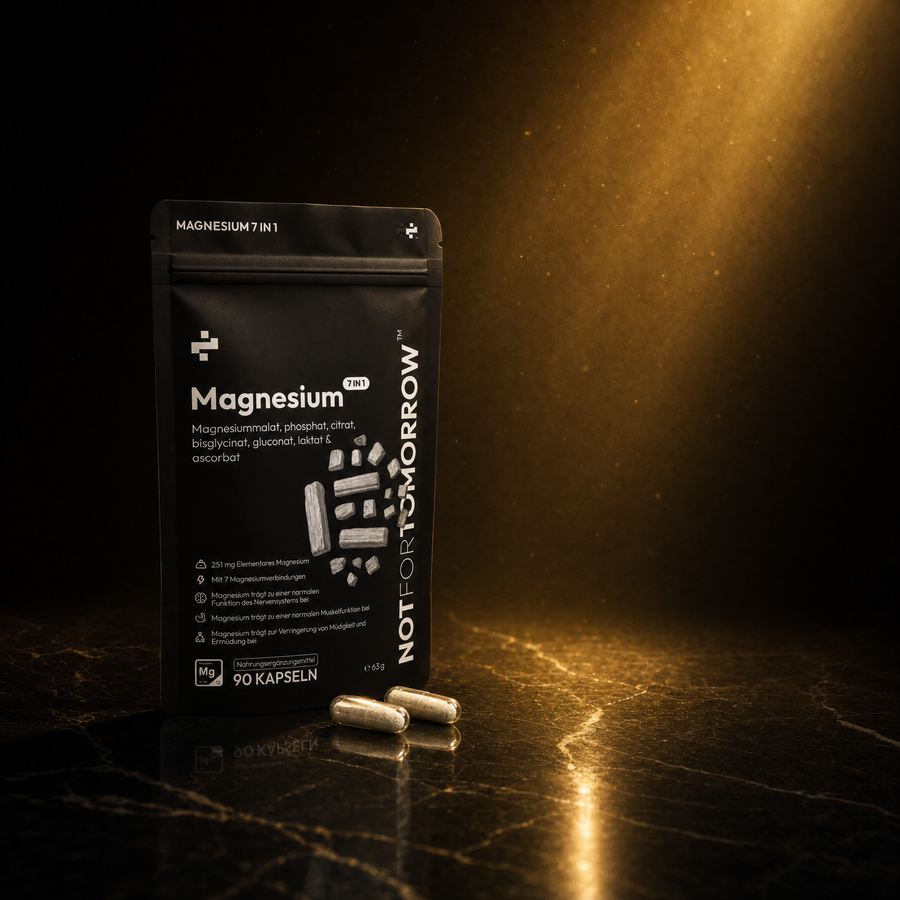
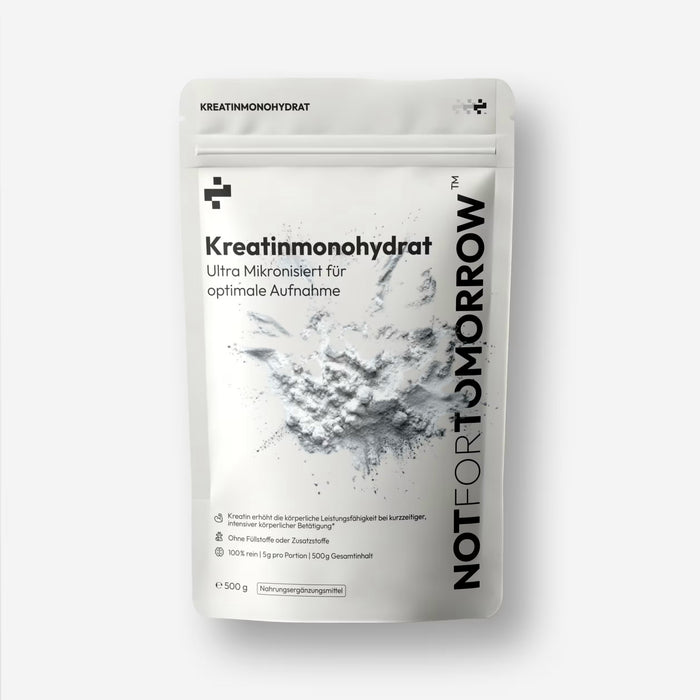
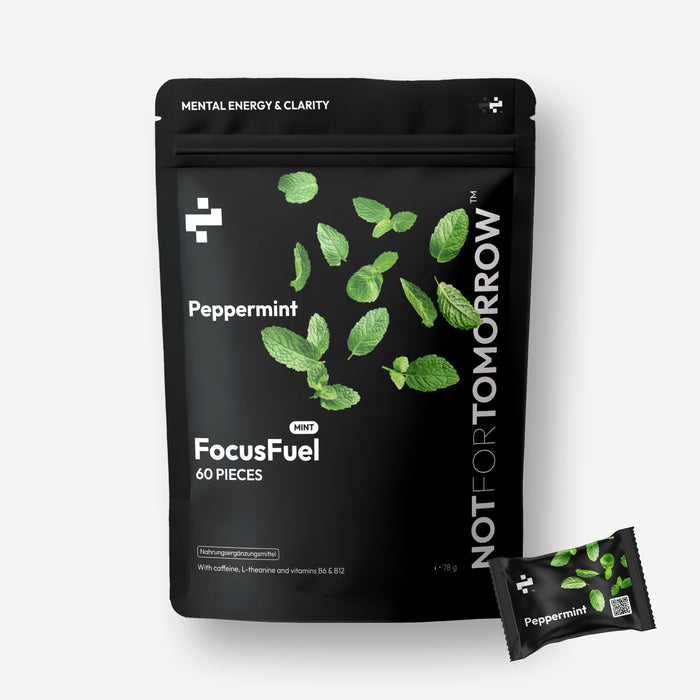
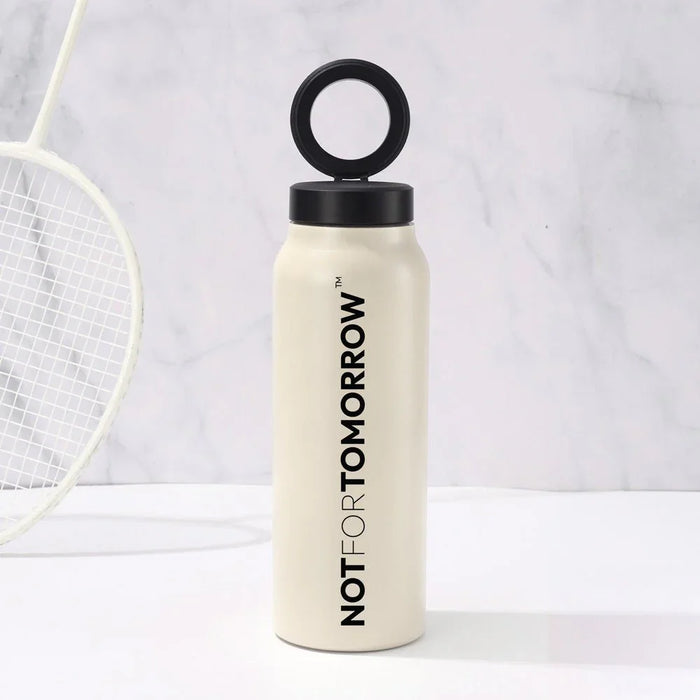
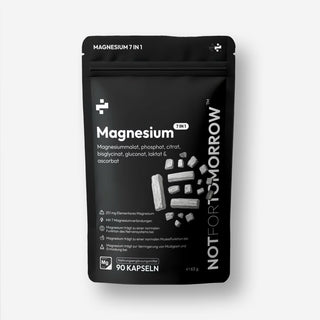
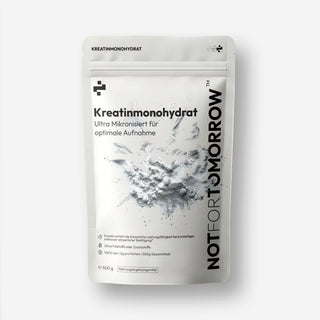
Creatine isn't just for building muscle — your brain burns through it faster than any other organ, and most people are running on empty. When you hear "creatine," you probably picture gym bros scooping powder into shaker bottles. Fair enough. Creatine monohydrate has been the most researched sports supplement for three decades. But here's what the fitness industry won't tell you: your brain is the single largest consumer of creatine in your body, using up to 20% of your total creatine phosphate stores despite being only 2% of your body weight. And the science on cognitive benefits is stacking up fast. Researchers at the University of Sydney found that creatine supplementation improved working memory and processing speed in healthy adults by up to 15%. That's not a marginal gain — that's the difference between a foggy afternoon and a sharp one. Let's break down what's actually happening in your neurons. How Creatine Powers Your Brain at the Cellular Level Every thought you think, every decision you make, every word you read right now — all of it requires adenosine triphosphate (ATP). Your brain consumes roughly 20% of your body's total energy output, making it the most metabolically demanding organ you have. Creatine's role is elegantly simple: it donates a phosphate group to ADP (adenosine diphosphate) to regenerate ATP. This happens via the creatine kinase enzyme system, and it's the fastest way your cells can produce energy — faster than glucose metabolism, faster than mitochondrial oxidative phosphorylation. When brain creatine levels drop, cognitive performance drops with them. A 2018 study published in Experimental Gerontology demonstrated that even mild creatine depletion correlated with measurable declines in short-term memory and attention span. The brain simply cannot afford energy shortages. The Research: What Creatine Supplementation Actually Does for Cognition The evidence base for creatine and cognition has grown substantially over the past decade. Here are the key findings that matter: Working memory improvement: A randomized, double-blind study by Rae et al. (2003) in the Proceedings of the Royal Society B showed that 5g of creatine monohydrate daily for six weeks significantly improved both working memory and intelligence test scores in healthy volunteers. The effect was particularly pronounced during tasks requiring rapid processing. Sleep deprivation resilience: Research published in Psychopharmacology (McMorris et al., 2006) found that creatine supplementation reduced the negative cognitive effects of 24-hour sleep deprivation. Subjects maintained better executive function and reaction times compared to placebo. If you've ever pulled a late night and felt your brain slow to a crawl the next day, creatine offers a buffer. Stress-related cognitive decline: A 2007 study in the Royal Society B: Biological Sciences demonstrated that creatine supplementation attenuated mental fatigue during repeated mathematical calculations performed under stress. The creatine group maintained accuracy while the placebo group's performance degraded. Neuroprotective potential: Emerging research suggests creatine may support brain health during aging. A review in Neuroscience & Biobehavioral Reviews (Roschel et al., 2021) highlighted creatine's potential role in supporting mitochondrial function and reducing oxidative stress in neural tissue — two mechanisms closely linked to age-related cognitive decline. Who Benefits Most From Brain-Focused Creatine Supplementation While creatine appears to benefit cognition broadly, certain groups see outsized results: Vegetarians and vegans: Since creatine is found primarily in animal products (red meat and fish), people following plant-based diets typically have 20-30% lower baseline creatine stores. Research from the British Journal of Nutrition (2011) showed that vegetarians experienced the most significant cognitive improvements from creatine supplementation — essentially closing the gap caused by dietary deficiency. Older adults: Age-related decline in creatine synthesis is well-documented. A meta-analysis in Experimental Gerontology (2020) found that creatine supplementation in adults over 60 improved both memory performance and reasoning tasks. The effect sizes were clinically meaningful, not just statistically significant. High-stress professionals: If your work demands sustained mental performance — think surgeons, programmers, financial analysts, founders — creatine supplementation may help maintain cognitive output during extended periods of mental exertion. The ATP regeneration mechanism doesn't discriminate between physical and mental energy demands. Anyone dealing with poor sleep: Combined with good sleep hygiene and proper magnesium supplementation, creatine can help buffer the cognitive costs of less-than-perfect sleep. Not a replacement for rest, but a meaningful support system.Dosage, Timing, and What the Science Actually Recommends The most studied protocol for cognitive benefits mirrors the athletic dosing: 3-5 grams of creatine monohydrate daily. There's no need for a loading phase when targeting cognitive benefits — consistent daily intake allows brain creatine stores to saturate over approximately 3-4 weeks. Timing matters less than consistency. Unlike pre-workout supplements that need precise timing, creatine's cognitive benefits come from maintaining elevated brain creatine stores over time. Take it when you'll remember to take it — with breakfast, in your afternoon smoothie, mixed into your morning coffee. The key is daily adherence. Quality matters enormously here. Ultra-micronized creatine monohydrate dissolves more completely and absorbs more efficiently than standard creatine powder. The particle size reduction means better solubility and fewer digestive complaints — a common barrier that causes people to quit supplementation before brain stores fully saturate. What about creatine forms? Despite marketing claims for creatine HCl, buffered creatine, and creatine ethyl ester, the evidence overwhelmingly supports plain creatine monohydrate as the most effective and best-studied form. The International Society of Sports Nutrition's position stand is unambiguous on this point. The Creatine-Brain Stack: Synergistic Supplements for Cognitive Performance Creatine works through the ATP energy system, but optimal cognitive function requires support across multiple pathways. Here's what research suggests pairs well: Creatine + Alpha-GPC: While creatine handles energy supply, Alpha-GPC supports acetylcholine production — the neurotransmitter directly involved in memory formation and learning. A study in the Journal of the International Society of Sports Nutrition found that Alpha-GPC enhanced both physical and cognitive performance markers. Combining it with creatine addresses two distinct bottlenecks in brain performance. Creatine + B-Vitamins: Creatine synthesis in the body requires methylation, a process that depends heavily on B-vitamins — particularly B6, B12, and folate. Without adequate B-vitamin status, your body's endogenous creatine production suffers. A high-quality bioactive B-complex supports the methylation cycle that feeds creatine biosynthesis. Creatine + Magnesium: Magnesium is a cofactor for the creatine kinase enzyme — the very enzyme that transfers phosphate groups from creatine to regenerate ATP. Low magnesium levels literally impair creatine's mechanism of action. Ensuring adequate magnesium intake with a comprehensive magnesium supplement helps creatine do its job more effectively. Common Myths About Creatine and Brain Health — Debunked "Creatine causes water retention and bloating." Creatine does increase intracellular water content — inside muscle cells. This is actually a positive sign of cellular hydration. The "puffy" look some people report typically comes from poor-quality creatine with large particle sizes or excessive sodium in the formulation. Ultra-micronized creatine monohydrate minimizes this issue significantly. "Creatine is bad for your kidneys." This myth persists despite being thoroughly debunked. A comprehensive review in the Journal of the International Society of Sports Nutrition (2017) examined dozens of studies and concluded that creatine supplementation at recommended doses does not impair kidney function in healthy individuals. "Only athletes need creatine." This is perhaps the most damaging myth. Given that the brain is creatine's primary consumer, arguing that only athletes need it is like saying only runners need oxygen. Anyone with a brain has a metabolic need for creatine. "You can get enough creatine from food." To match the 3-5g daily dose used in studies, you'd need to eat roughly 1-2 pounds of raw red meat or fish daily. Cooking degrades a significant portion of creatine content. Supplementation is the only practical way to achieve and maintain optimal brain creatine levels. How to Start: A Practical Protocol for Cognitive Enhancement If you're new to creatine supplementation for brain health, here's a straightforward approach: Week 1-4 (Saturation): Take 5g of ultra-micronized creatine monohydrate daily with a meal. The food improves absorption. Don't skip days during this phase — consistency is what builds brain creatine stores. Week 5+ (Maintenance): Continue with 3-5g daily. Most researchers recommend staying at 5g for cognitive benefits, as brain saturation may require slightly higher ongoing doses than muscle saturation. Track your baseline. Before starting, note your current mental performance — afternoon energy levels, ease of focusing during complex work, memory recall during meetings. After 4-6 weeks of consistent supplementation, reassess. Combine strategically. Pair creatine with adequate sleep, proper hydration (aim for at least 2.5L daily — consider a quality water bottle to keep you honest), and a nutrient-dense diet. No supplement compensates for fundamentals, but creatine amplifies the benefits of getting them right. Frequently Asked Questions Does creatine supplementation improve memory and focus in healthy adults? Yes. Multiple randomized controlled trials demonstrate that creatine monohydrate supplementation at 3-5g daily improves working memory, processing speed, and mental endurance in healthy adults. Effects are most pronounced during cognitively demanding situations and after 3-4 weeks of consistent supplementation when brain creatine stores reach saturation. Is creatine safe for long-term daily use? Creatine monohydrate is one of the most extensively studied supplements in existence, with research spanning over 30 years. The International Society of Sports Nutrition and the European Food Safety Authority have confirmed its safety for long-term use at recommended doses (3-5g daily) in healthy individuals. How long does it take for creatine to improve cognitive performance? Brain creatine stores take approximately 3-4 weeks of daily supplementation (5g/day) to reach saturation. Some individuals report noticeable improvements in mental clarity and reduced brain fog within 2 weeks, though the full cognitive benefits typically manifest after the saturation period. Can creatine help with brain fog and mental fatigue? Research strongly suggests yes. Brain fog and mental fatigue are often linked to impaired cerebral energy metabolism. Creatine directly supports ATP regeneration in neural tissue, which may explain why supplementation reduces mental fatigue during demanding cognitive tasks. What is the best form of creatine for brain health? Creatine monohydrate remains the gold standard. Despite marketing claims for newer forms like creatine HCl or buffered creatine, no alternative form has demonstrated superior bioavailability or effectiveness in peer-reviewed research. Ultra-micronized creatine monohydrate offers the best combination of proven effectiveness, optimal absorption, and minimal digestive discomfort. Should vegetarians and vegans take creatine for cognitive benefits? Vegetarians and vegans are among the groups most likely to benefit from creatine supplementation. Because creatine is found almost exclusively in animal products, plant-based individuals typically have significantly lower creatine stores — 20-30% lower than omnivores.
Learn moreThe Carnivore Diet Supplement Stack: What You're Missing on All-Meat
Cold exposure is genuinely effective for recovery, but not because it numbs pain because it triggers hormetic adaptation that strengthens mitochondrial resilience and increases antioxidant production
Learn moreNootropics 101: A Beginner's Guide to Cognitive Enhancement
You've probably heard that creatine works the research is ironclad. But if your creatine sits in your stomach like chalk, you're leaving gains on the table. We sat down with a sports nutrition researc
Learn more
“The power you seek is already within you. Start today.”
Become part of the movement
Follow us on Instagram and join a growing community that chooses strength, awareness, and change.
Share your moment, tag us in your stories or posts, and inspire others to choose today too.
Together, we’re building something greater. Step by step. Today.
Motivation
Time is not your friend
Time doesn't wait.
She doesn't pause for your fears.
She doesn't slow down until you feel “ready.”
The version of yourself you keep thinking about?
That version needs action. No plans. No hope.
NOT FOR TOMORROW is your wake-up call.
Because greatness does not come to those who wait.
It comes to those who take action.
Silent Struggle
No one sees the moments when you almost gave up.
The silent breakdowns. The fake smile.
The war behind your eyes.
But still you kept getting back up.
That’s what makes you dangerous.
NOTFORTOMORROW is for those who fight without applause.
For the ones who rise in silence.
Who train in the dark.
And shine when it truly matters.
The Inner Fire
You don't need permission.
Not of the world. Not of your past.
You only need one thing:
The decision to start today.
Every dream lives in the now.
Every version of yourself you admire it all starts with the next choice you make.
NOTFORTOMORROW is a mindset.
It is the refusal to wait.
Because potential means nothing without action.
And action?
It starts now.
Time is not your friend
There are no shortcuts.
No cheat codes. No easy wins.
But there is something better: the compound effect of showing up.
Day after day.
Action after action.
Fueling your body. Honoring your potential.
That’s how you become unstoppable.
NOTFORTOMORROW because you’re not here for hacks.
You’re here for results.
WHY NOTFORTOMORROW WAS CREATED
There was a time when I completely lost myself.
Work, stress, the daily rush it took over everything.
There was no balance, no peace, no awareness of what truly mattered.
I was living on autopilot.
And little by little, I lost everything: my health, my energy, my relationships, my business…
Everything around me seemed to fall apart.
Our Philosophy
We are NOTFORTOMORROW. No faces, no celebrities.
We are people who have awakened here to remind you of your own power.
You don’t need to buy anything. You don’t need to make promises.
You choose when to wake up.
We’re here to support you.
“Your body is your temple. Give it the attention it deserves.”
Why we exist
We’re not a trend. Not a hype. Not loud advertising.
We believe: Conscious choices = conscious living.
Health isn’t a coincidence it’s a choice.
You come first.
Not tomorrow. Today.
We’re here for you.
Do you have questions, doubts, or need personalized advice?
Feel free to reach out we’re always here to think along with you.
Send us an email, a DM on Instagram, or use the contact form.
No question is too much.
Together, we move forward.
NOTFORTOMORROW always close.
What are the delivery times?
Everything is in stock unless stated otherwise. Ordered today? You’ll have it tomorrow or the day after at the latest. And honestly? If I were handling the shipping myself, you’d have it tonight. 😉
How do I know which supplement is right for me?
Check the product pages we explain everything clearly there. Still unsure? Send us a message. We're happy to think along with you.
Are your products vegan or natural?
Many of our formulas are plant-based or natural. Each product clearly lists what’s inside transparent, just as it should be.
Do you ship internationally?
Yes. We ship worldwide. No matter where you are we’ll make sure it reaches you.