NAD+ and Cellular Aging: What the Research Actually Shows
NAD+ (nicotinamide adenine dinucleotide) is a coenzyme that aging researchers study closely. It is involved in cellular energy production, DNA repair, and the activity of the sirtuin enzymes. Research suggests that tissue NAD+ levels tend to decline with age, which is part of why it has become such an active area of study.
What Is NAD+ and Why It Matters
NAD+ is a coenzyme present in every cell. It acts as an electron shuttle in the reactions that generate ATP, the cell's main energy molecule, and it serves as a substrate for enzymes that support DNA repair and stress responses. It is not the energy itself; it helps move electrons through the energy-production chain.
NAD+ levels appear to fall as we get older. A study of human tissue samples reported that NAD+ declined with age while markers of oxidative DNA damage rose, suggesting that increased NAD+ consumption (for example by the repair enzyme PARP) contributes to lower tissue NAD+ over time (Massudi et al., 2012, PLoS ONE) [study]. The exact percentage of decline varies between tissues and individuals, so precise figures should be treated with caution.
The body makes NAD+ from precursors such as niacin (vitamin B3) and from the amino acid tryptophan. As we age, synthesis and recycling appear to become less efficient while consumption increases. Because the sirtuin enzymes depend on NAD+, lower NAD+ availability may reduce their activity.
In a widely cited animal study, researchers reported that raising NAD+ levels in aged mice restored aspects of mitochondrial function in a SIRT1-dependent manner (Gomes et al., 2013, Cell) [study]. Findings in mice do not automatically translate to humans, but this work helped drive much of the current NAD+ research.
NAD+, Mitochondria, and the Sirtuins
Mitochondria are the cell's power plants, and the electron transport chain that produces ATP relies on NAD+ to accept and pass electrons. When NAD+ availability falls, this process is thought to become less efficient, and mitochondria may produce more reactive oxygen species.
Research has linked age-related NAD+ decline to reduced activity of mitochondrial pathways. One study described how the enzyme CD38 contributes to NAD+ decline during aging and to mitochondrial dysfunction through a SIRT3-dependent mechanism (Camacho-Pereira et al., 2016, Cell Metabolism) [study].
Sirtuins (SIRT1 to SIRT7) are NAD+-dependent enzymes involved in DNA repair, mitochondrial maintenance, and stress responses. Because they use NAD+ as a substrate, lower NAD+ levels may limit how effectively they can respond to cellular stress. In humans, much of the evidence is suggestive rather than conclusive: cellular and animal studies are encouraging, some short-term human studies show changes in metabolic markers, but there are no human trials proving that NAD+ support extends lifespan.
NAD+ Precursors: What Is Known
The body can make NAD+ from several precursors. Niacin (vitamin B3) is a direct, well-established precursor; vitamin B3 contributes to normal energy-yielding metabolism and to the reduction of tiredness and fatigue (EFSA-authorised claims). Nicotinamide riboside (NR) and nicotinamide mononucleotide (NMN) are precursors that have attracted research interest.
Niacin (B3): A basic, inexpensive precursor that the body converts to NAD+. High doses can cause flushing, and chronically high doses may affect liver markers, so moderate intake is sensible.
Nicotinamide riboside (NR): A randomised, placebo-controlled crossover trial in healthy middle-aged and older adults reported that chronic NR supplementation was well tolerated and raised blood NAD+ levels; the authors suggested its potential effects on blood pressure and arterial stiffness warrant further study rather than being established outcomes (Martens et al., 2018, Nature Communications) [study].
Nicotinamide mononucleotide (NMN): A randomised, placebo-controlled trial reported that NMN improved muscle insulin sensitivity in postmenopausal women with prediabetes (Yoshino et al., 2021, Science) [study]. Sample sizes in human NMN studies remain small, so the evidence is still developing.
An honest summary: niacin is well established and inexpensive. NR and NMN have promising animal data and a smaller body of human data, and they cost more. NAD+ precursors may be of most interest to people with lower baseline NAD+ (often associated with older age) or metabolic challenges.
Shilajit: Mineral and Mitochondrial Support
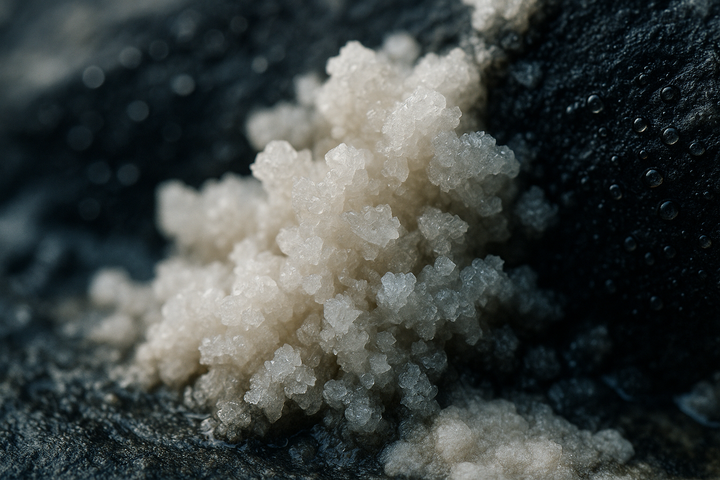
Shilajit is a mineral-rich resin found in mountain ranges such as the Himalayas. It contains fulvic acid, minerals (including magnesium, zinc, copper, and iron), and other organic compounds, and it has a long history of traditional use.
Shilajit is not a direct NAD+ precursor, but research has examined its effects on muscle and energy metabolism. A study of human skeletal muscle reported that oral shilajit supplementation changed the expression of extracellular-matrix-related genes involved in muscle adaptation (Das et al., 2016, Journal of Medicinal Food) [study]. A separate placebo-controlled trial reported that shilajit (250 to 500 mg per day over 8 weeks) helped maintain muscular strength under fatigue (Keller et al., 2019, Journal of the International Society of Sports Nutrition) [study]. A randomised, placebo-controlled study in men aged 45 to 55 reported that purified shilajit (250 mg twice daily for 90 days) was associated with higher testosterone levels (Pandit et al., 2016, Andrologia) [study].
Shilajit also supplies mineral cofactors that NAD+-dependent and mitochondrial enzymes rely on. By itself it does not create NAD+, but it may help provide the mineral context in which these pathways operate. The shilajit evidence base is smaller than that for NR or NMN, so claims should remain measured.
When NAD+ Support May Make Sense
NAD+ appears to decline gradually rather than at a single fixed point, and the rate varies between people and tissues. In younger, healthy adults, a balanced diet that includes niacin is generally sufficient. From midlife onward, some people choose to support NAD+ metabolism through diet and, where appropriate, supplementation. People with metabolic challenges at any age may have more reason to consider it.
Research generally suggests that supporting cellular health earlier in the aging process may be more useful than waiting until decline is advanced, although this is an area of ongoing study rather than settled fact.
Where Shilajit Fits
Our Shilajit Resin provides fulvic acid together with bioavailable minerals. This is relevant to a cellular-energy strategy because NAD+-dependent and mitochondrial enzymes depend on mineral cofactors such as zinc, magnesium, copper, and iron. The fulvic acid in shilajit is associated with improved mineral bioavailability.
The resin form is minimally processed, so you receive the natural spectrum of fulvic acid compounds and minerals. A practical approach for those who choose to supplement is to pair Shilajit with a recognised NAD+ precursor such as niacin, combining mineral support with NAD+ metabolism support.
Typical use is around 300 to 500 mg of shilajit daily, taken with food. Effects, where noticed, tend to be gradual and build over several weeks rather than days.
FAQ: NAD+, Longevity, and Cellular Aging
How do supplements support cellular energy?
Cellular energy production depends on NAD+ to help transfer electrons and drive ATP synthesis, and NAD+ also supports the sirtuin enzymes involved in DNA repair and stress responses. Vitamin B3 (niacin), a NAD+ precursor, contributes to normal energy-yielding metabolism and to the reduction of tiredness and fatigue. Minerals such as magnesium, zinc, and copper act as cofactors for many of these enzymes. Supplements are not a substitute for exercise, sleep, and a balanced diet.
Can supplements reverse aging?
No. Research in animals shows improvements in certain aging markers when NAD+ is restored, and some short-term human studies show changes in metabolic markers, but there is no evidence that supplements reverse aging or extend human lifespan. A realistic expectation is support for normal energy metabolism, not turning back the clock.
At what age should I consider NAD+ support?
NAD+ tends to decline gradually with age, and the rate varies. Many people focus on diet first, including niacin from food. From midlife onward, some choose to add NAD+ precursors. People with metabolic challenges may consider support earlier. Individual needs differ, so personalised advice from a qualified professional is sensible.
Is shilajit a replacement for NMN or NR?
No, it is complementary. Shilajit does not directly increase NAD+ synthesis the way NR or NMN may. Instead it provides mineral cofactors that NAD+-dependent enzymes use. Some people combine the two approaches.
Can I take too much NAD+ support?
Yes. High-dose niacin can cause flushing and may affect liver markers. Long-term safety limits for high-dose NR and NMN in humans are still being studied. Moderate dosing is the practical approach, and you should not exceed recommended intakes. Consult a healthcare professional if you take medication or have a medical condition.
Summary
Age-related NAD+ decline is a genuine and active area of research. Evidence suggests that supporting NAD+ metabolism (through diet, niacin, and where appropriate other precursors) and supplying the mineral cofactors that energy-producing enzymes rely on may help support normal cellular energy. The science is promising but still developing, and supplements work best alongside good nutrition, sleep, and regular activity.
References
- Massudi H, et al. Age-associated changes in oxidative stress and NAD+ metabolism in human tissue. PLoS ONE. 2012. https://pubmed.ncbi.nlm.nih.gov/22848760/
- Gomes AP, et al. Declining NAD+ induces a pseudohypoxic state disrupting nuclear-mitochondrial communication during aging. Cell. 2013. https://pubmed.ncbi.nlm.nih.gov/24360282/
- Camacho-Pereira J, et al. CD38 dictates age-related NAD decline and mitochondrial dysfunction through an SIRT3-dependent mechanism. Cell Metabolism. 2016. https://pubmed.ncbi.nlm.nih.gov/27304511/
- Martens CR, et al. Chronic nicotinamide riboside supplementation is well-tolerated and elevates NAD+ in healthy middle-aged and older adults. Nature Communications. 2018. https://pubmed.ncbi.nlm.nih.gov/29599478/
- Yoshino M, et al. Nicotinamide mononucleotide increases muscle insulin sensitivity in prediabetic women. Science. 2021. https://pubmed.ncbi.nlm.nih.gov/33888596/
- Das A, et al. The human skeletal muscle transcriptome in response to oral shilajit supplementation. Journal of Medicinal Food. 2016. https://pubmed.ncbi.nlm.nih.gov/27414521/
- Keller JL, et al. The effects of shilajit supplementation on fatigue-induced decreases in muscular strength and serum hydroxyproline levels. Journal of the International Society of Sports Nutrition. 2019. https://pubmed.ncbi.nlm.nih.gov/30728074/
- Pandit S, et al. Clinical evaluation of purified shilajit on testosterone levels in healthy volunteers. Andrologia. 2016. https://pubmed.ncbi.nlm.nih.gov/26395129/
This article is for educational purposes only and is not medical advice. Food supplements are not intended to diagnose, treat, cure, or prevent any disease and should not replace a varied, balanced diet or a healthy lifestyle. Consult a qualified healthcare professional before starting any supplement, especially if you are pregnant, breastfeeding, taking medication, or have a medical condition.